
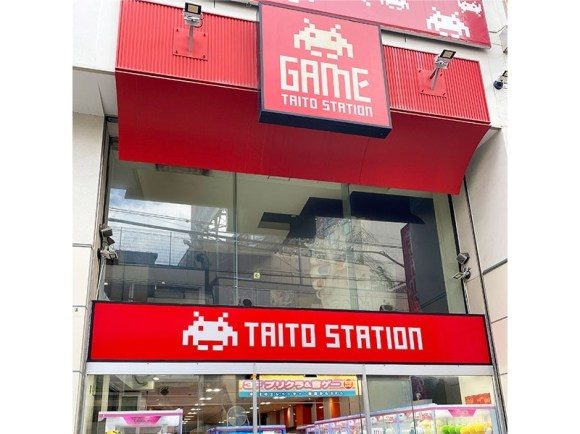
Rows of game machines sit unoccupied at the Machida branch of arcade chain Taito Station in Tokyo, and some of their screens are dark. The branch posted a photo of the empty floor with the message "This is the harsh reality for arcades right now," and said the cause was a rise in hacks and cyberattacks over the past few weeks.
"We deeply apologize for the great inconvenience to our customers," the arcade wrote in the same post.
Arcade video games have leaned on network play to survive. Online competition, leaderboards and elaborate controls — steering wheels and pedals, dance pads, card readers, large touchscreen arrays — give players something a home console cannot. Connecting small groups of fans in different places keeps a game's community alive.
That dependence cuts both ways. When a game network's security is compromised and has to be shut down, whether in response to a hack or as a precaution, the games on it stop too. Network play is built so deeply into many Japanese arcade titles that a machine tries to connect the moment it boots up, and some cannot reach a playable state until the connection succeeds.
Not every machine at the branch went dark. Classic titles that need no network connection still run, and Taito Station Machida posted a follow-up photo of working games with an invitation to come in and play them. Other arcades are likely facing the same problem.
For small entertainment venues, the exposure is structural. An arcade's floor is a collection of internet-connected machines maintained on thin margins, and a single network shutdown takes out much of the room at once. The branch did not say how many machines were affected or when it expects them back online.