
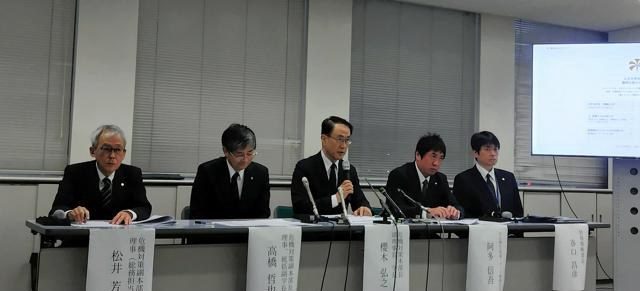
Osaka Metropolitan University said on the 13th that personal information on about 170,000 students and staff, including email addresses and dates of birth, leaked from cloud storage managed by NEC after an October system failure.
The data includes highly sensitive records on about 1,400 people, among them bank accounts, passports and vaccination histories of former students and staff, the university said.
According to the university, the information leaked from cloud storage managed by NEC, which it contracts to maintain and operate its systems.
What was exposed
The roughly 1,400 sensitive records break down by type. Bank account numbers for about 20 faculty and staff were exposed.
- Bank account numbers for about 20 faculty and staff
- Health-related information, including vaccination records, for about 200 faculty and students, all enrolled in the 2018-21 academic years
- Passport images for about 200 international students
- Passport numbers for about 1,000 students who traveled overseas
Osaka Metropolitan University was created in April 2022 when Osaka City University and Osaka Prefecture University merged.
Data left in place after the merger
NEC carried out the system migration work tied to the merger in the 2021 academic year. Personal data remained stored on NEC's cloud after that work finished, which led to the leak, according to the university.
The university called NEC leaving the data stored there "a serious problem." It plans to explain the leak to affected students and apologize.
The attacker who took the personal information also stole account credentials and a password with system administrator rights. The attacker appears to have used them to access the university's systems without authorization and carry out a cyberattack that caused the large-scale system failure.