
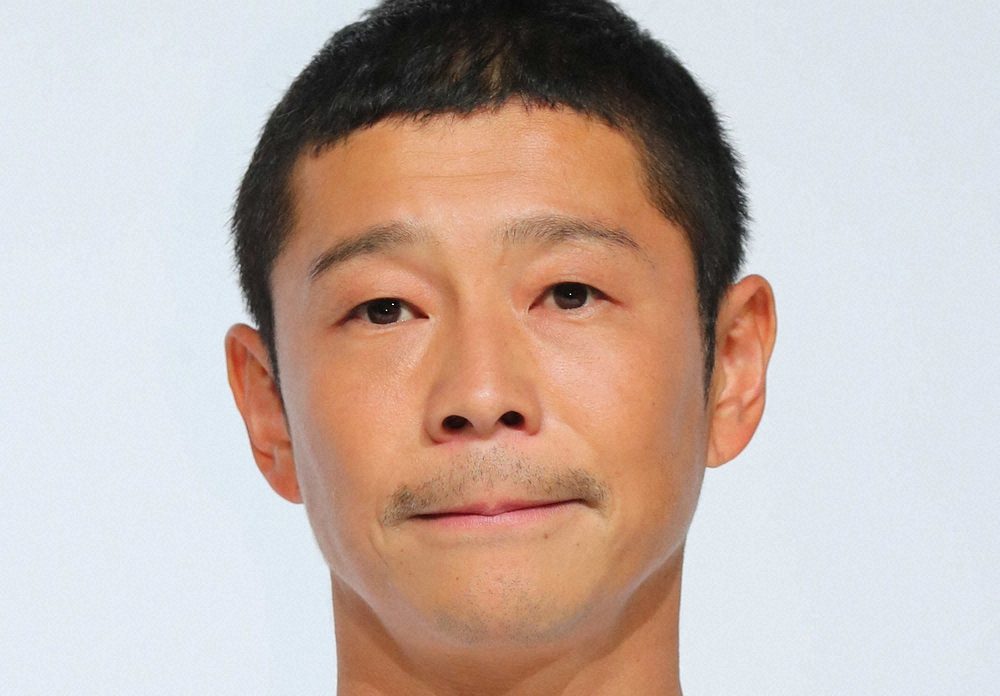
Entrepreneur Yusaku Maezawa, 50, says the Tokyo District Court dismissed his demand that Meta remove Instagram scam ads using his face, and he is now asking whether platforms should bear any liability when victims lose money.
Maezawa sued Meta and its Japanese arm in Tokyo, seeking the removal of advertisements that impersonated him. The court rejected his claim on Tuesday, Sponichi Annex reported.
He addressed the ruling in a post on his official X account on Friday. "The other day, I lost my court case against Meta, which operates Facebook and Instagram," he wrote.
Maezawa summarized the ruling as a three-way exchange. He said he told the court that scam ads using his photos were flooding the platform and that Meta should screen and delete them in advance.
Meta argued that it does what it can but cannot eliminate the ads entirely, according to his account. The court found that Meta appeared to be making an effort and had not violated the law.
He then asked whether Meta bears responsibility if people are defrauded of money through such ads, given that the company takes the advertising fees. Meta replied that it is only a platform provider renting space to posters and advertisers.
The court accepted that position, he said, holding that the wrongdoer is the person running the fraud and that platform providers bear no legal responsibility.
"I petitioned over and over to have them removed because they were scam ads, and they never removed them, and fraud damage happened anyway," Maezawa wrote.
Two questions for the public
Maezawa said he wants to press two points further and open them to debate. He asked whether Meta truly worked to reduce scam ads, noting that reports he filed came back marked as not violating its rules.
His second question was whether it is acceptable that platform providers bear no responsibility when scam ads appear and cause damage. "Do we just have to change the law?" he wrote. "What do you all think?"