
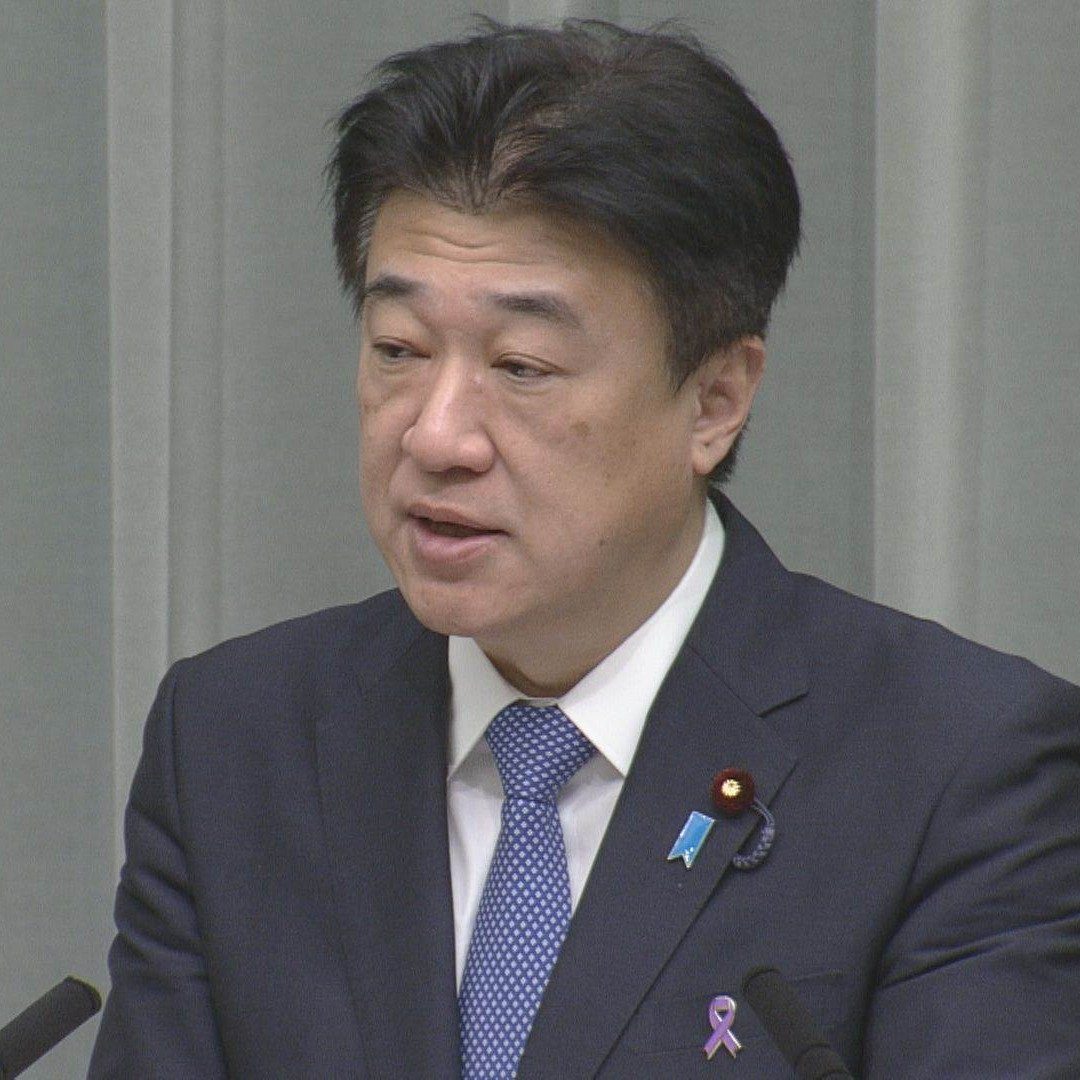
Unauthorized access to systems linked to Fugaku, Japan's flagship supercomputer, may have exposed users' names, email addresses and research data, prompting Chief Cabinet Secretary Minoru Kihara to call for a swift investigation and a full accounting of the damage.
Riken, the government-backed research institute that operates the machine, said it had confirmed the unauthorized access and that user information and research data may have leaked.
Kihara said Riken moved quickly after detecting the breach. The institute suspended operation of Fugaku and cut off access from outside, he said.
Call for full response
The chief cabinet secretary said the science ministry and Riken must get to the bottom of the incident and pin down its scope. They should also give users clear information and make sure the necessary steps are taken, he said.
“I understand that the Ministry of Education, Culture, Sports, Science and Technology and Riken are taking every possible measure so that the cause is promptly investigated and the scope of impact is identified, and so that users are carefully informed and necessary responses are carried out without fail.”Minoru Kihara, Chief Cabinet Secretary
Kihara described Fugaku as critical infrastructure underpinning Japan's research and development. Securing the system while keeping disruption to research to a minimum is the priority, he said.
Fugaku, developed by Riken with the electronics maker Fujitsu, was built as a national platform for academic and corporate research. Its users include universities, laboratories and companies working in fields from drug discovery to climate modeling.