
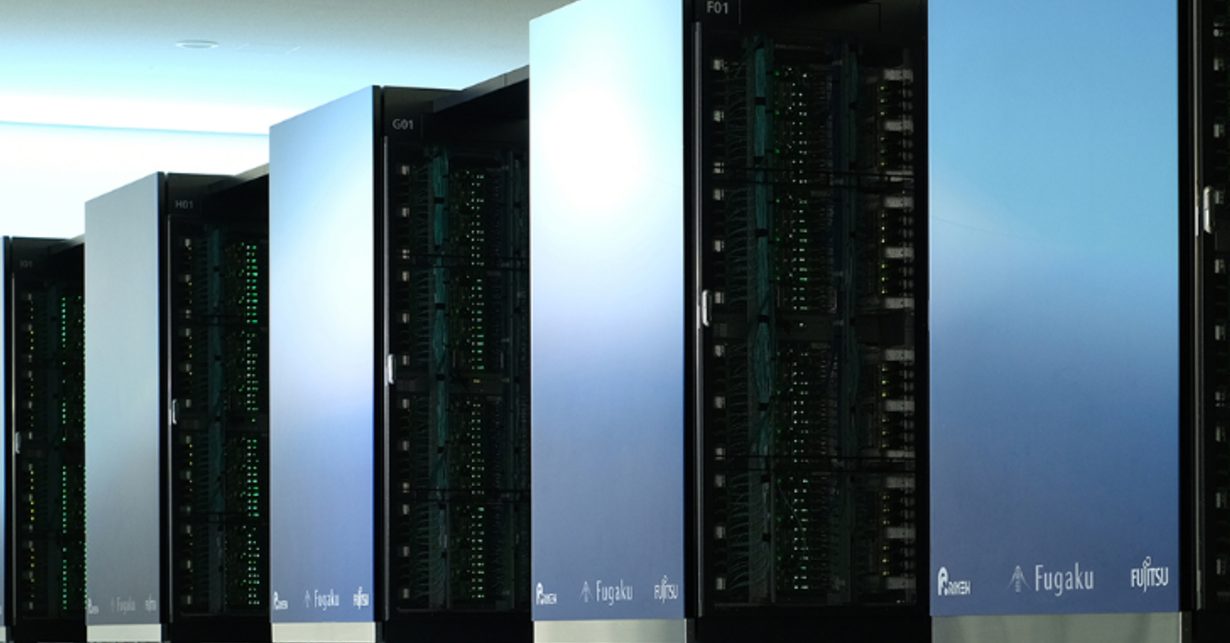
Riken shut down the Fugaku supercomputer on November 14 after intruders used a public web dashboard showing the machine's operating status to break into its operational network, the institute said on November 16.
The breach may have exposed users' names, email addresses and IDs, along with credentials stored in home directories for connecting to supercomputers and services outside Riken.
Up to 4,222 Fugaku users and up to 375 users of Rikyu, a supercomputer for AI-assisted scientific research, may be affected. Riken said it has found no concrete evidence so far that research results were leaked.
What may have been taken
The exposed data includes the names, email addresses and IDs of Fugaku users and the names and email addresses of Rikyu users registered in the authentication system.
Files users kept in their home directories may also have been taken, along with SSH private keys and access keys. Riken has asked users to invalidate the keys and credentials stored on Fugaku and to reissue the ones they need.
The institute is also checking whether those files contained third parties' personal information.
How the intruders got in
The intruders entered the operational network between November 10 and 13, using the internet-facing dashboard as their foothold. How exactly they got in is still under investigation.
They operated multiple internal servers without authorization and altered the system, in some cases by planting malicious programs. They may have removed some of the files users had stored and information registered in the authentication system.
Maintenance of the operational system is contracted out. Riken detected suspicious traffic on November 12 and began investigating with the contractor.
The institute confirmed the unauthorized access on November 13 and isolated the systems used to get in. Fugaku was stopped in the early hours of November 14, and the administrative keys were replaced the same day.
On the evening of November 15, Riken halted all running and queued computing jobs and notified users. It invalidated every user's login public key and told users to disable their stored credentials at each destination they connect to.
Recovery plans
Riken will patch the software vulnerability that was exploited and rebuild the compromised servers. It will also review its network configuration and deploy AI-based security measures.
Operations will resume once countermeasures are in place. The institute will also revise how roles are divided in its maintenance setup so it can respond faster in an emergency.
The intruders tried to connect to other systems using some of the credentials they obtained. Riken is working with relevant organizations to determine whether there was any secondary damage.