
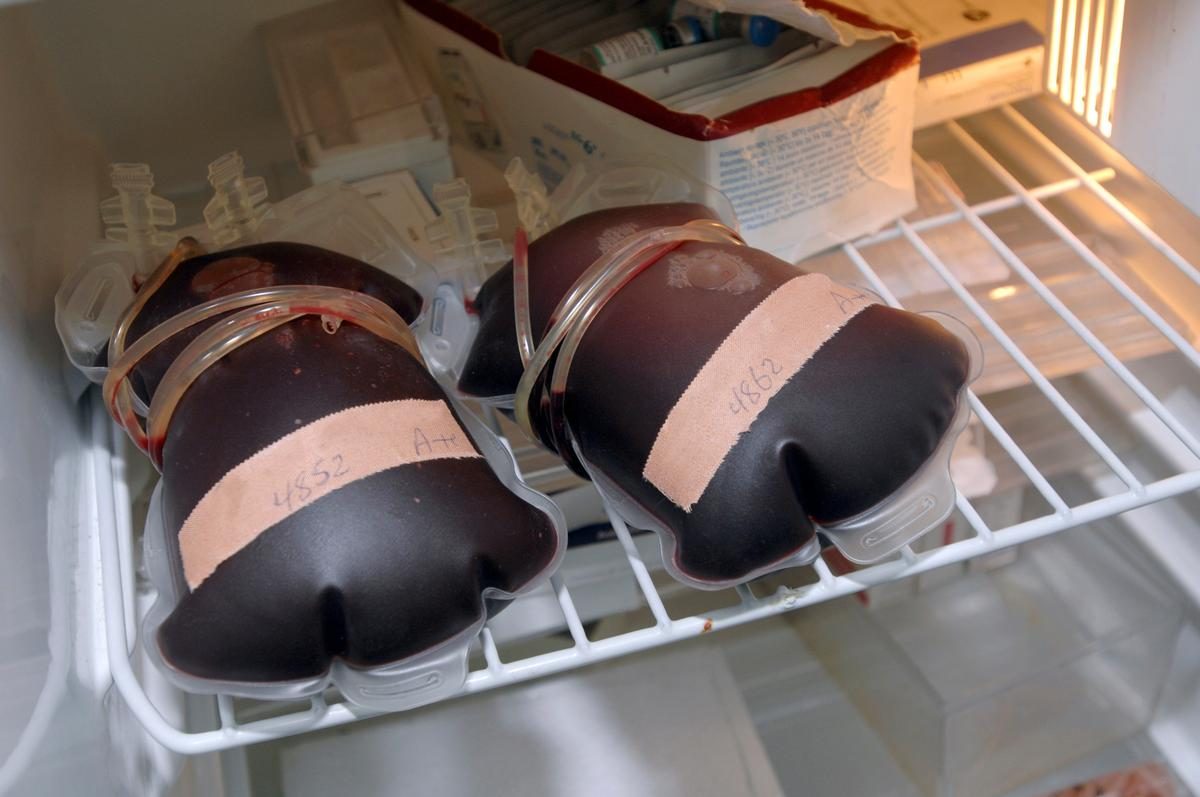
Hackers have gone after blood. France's blood service, the Etablissement français du sang (EFS), said on November 2 that its cooling equipment had been hit by a cyberattack and that temperatures inside had risen to an "extremely high level."
An alarm system at the blood agency detected the rise in temperature, so the blood products were not damaged. The attack reached three sites and affected equipment storing blood samples and plasma used in transfusions, according to an EFS press release. Frozen plasma is often used to treat patients who have lost large volumes of blood, such as in major hemorrhages.
The attackers did not target EFS itself but the supplier of its cooling equipment. Staff responded before samples or blood products were damaged or thrown away, and the products on site were "moved to another facility as a precaution," EFS said.
Le Canard enchaîné reported that the attackers tried to push the temperature from minus 30°C to 110°C. EFS did not disclose the temperature actually reached and said it is investigating the attack with French cybersecurity authorities and the health ministry.
A spokesperson told Business Insider that temperature monitoring on all cooling equipment had been "strengthened" and that blood collection and the supply of blood products were "fully secured."
A "cyber heat wave" for Europe's cold storage
The EFS case is the latest in a run of attacks on internet-connected cooling equipment. Between November 1 and 2, hackers raised the temperatures of refrigerators and freezers at supermarkets in Sweden, Belgium, Estonia and elsewhere in Europe. One Swedish retailer posted on Facebook that a set temperature had been changed to 50°C, and some stores had to throw food away.
In October, another cyberattack hit hundreds of grocery stores in France, and retailers discarded food worth thousands of dollars. The manager of a store in Normandy told Business Insider that a freezer's set temperature had been changed to 50°C and that he lost food worth $112,000 (about ¥17.7 million).
It is not clear who is behind the attacks on the refrigeration equipment, or whether they are connected.
Commercial cooling systems are connected to the internet so technicians can monitor and maintain them remotely. A defrost function meant to clear ice from the equipment was reset by hackers to dangerously high temperatures. Many of the targeted systems had not been updated with the latest software.
The incidents come as concern about cyberattacks widens, after a cryptocurrency theft worth $6.3 billion (about ¥1 trillion) and the discovery of a new vulnerability in a programming language that underpins up to 70% of websites.