
Services that use generative AI to recreate the faces and voices of people who have died are spreading in Japan, but users remain few, according to a cultural anthropologist who has interviewed people who use them and the companies that sell them. In China, the same services took off quickly, helped by a government that set early limits on what generative AI may not do.
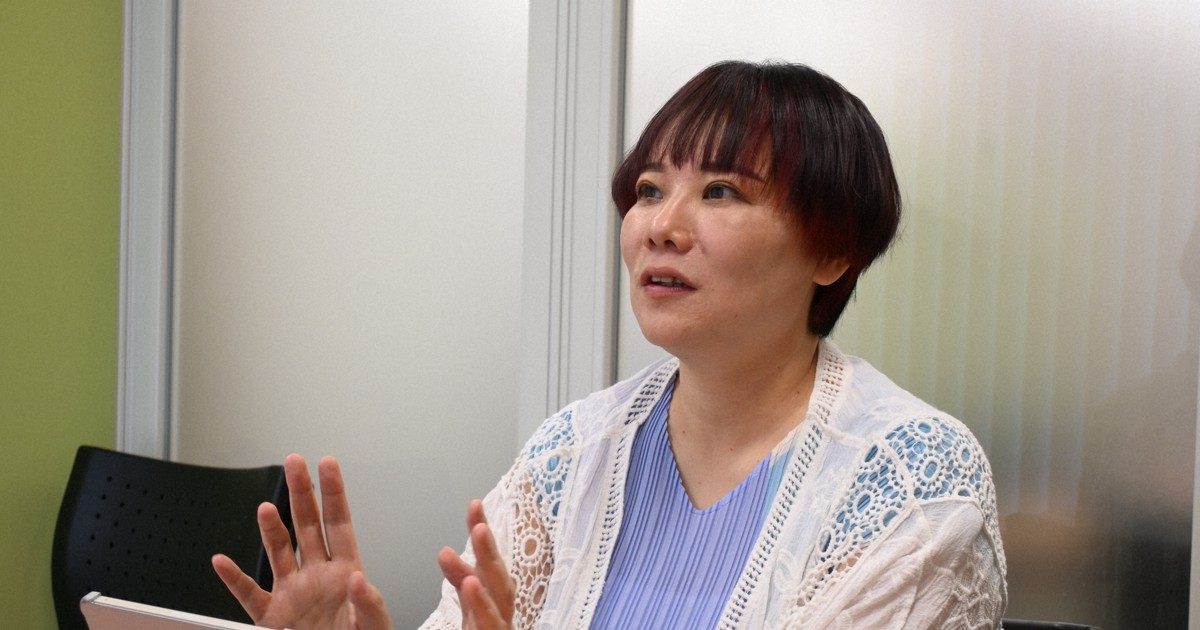
Yoshiko Takagi, a doctoral student at Tokyo Institute of Science's graduate school, gave an interview to the Mainichi Shimbun about her research on the trend at home and abroad.
An altar, not a replacement
Takagi said she began her interviews skeptical of the common worry that heavy use of an AI version of a dead person leads to dependence. She could not picture using one herself, and wanted to understand what separated her from the people who do.
In practice, she said, every user she spoke with treated the AI recreation and the dead person as separate things. Since the two are different by definition, the idea of an unhealthy attachment to a dead person does not hold, she said. Most users she met had turned to the service after some time had passed rather than in the acute period right after a death.
“One person described the AI version as something like a Buddhist altar, and said speaking to it on the monthly memorial day of the death was no different.”Yoshiko Takagi, cultural anthropologist, Tokyo Institute of Science
The same person said she was grateful that the service served as a trigger for recalling memories of the dead, Takagi said.
Few users, and a new kind of end-of-life planning
Takagi has spoken with several companies offering the services and said user numbers still look small. But anyone with a little skill in AI can build one from material they already have, so some users may not show up in company figures.
Some people create a digital twin of themselves, she said, so that an AI version of them will exist after they die. She called it a new form of shūkatsu, the Japanese practice of preparing for the end of life.
China's bottom-up start and fast rules
In China, small and varied services appeared in the market first and users tried them out, a bottom-up movement that came before any official push. The government responded quickly, writing into a law that took effect in August 2023 what generative AI must not do. The prohibited uses include inciting the overthrow of the government or of the socialist system, and infringing on another person's portrait rights, reputation, privacy or other personality rights.
Takagi said the rules were a very early response compared with Europe, the US and other Asian countries, and were specific to users of generative AI services for the dead. At the same time, the state promoted AI technology itself nationwide, drawing a minimum line on what is not allowed while encouraging wide use inside it. That combination is one reason the services spread so fast, she said.
Tighter rules reach the dead
From 2025 into this year, China's AI regulations have been tightened in rapid detail, and the rules now reach services for the dead. A campaign against misuse of AI explicitly named improper use of AI to bring dead people back. In September 2026, the Supreme People's Court issued an opinion stating that when someone creates an AI likeness of a dead person without permission, the bereaved family can pursue civil liability.
The interview was published as part of a Mainichi Shimbun series on AI and the dead. Other installments in the series have covered a woman who "met" her father again through an AI built from family material, a widow who used a chatbot modeled on her late husband, and the question of what dignity for the dead means when a likeness can be generated on demand.