
About 90% of Japan's AI data centers are concentrated in the Tokyo metropolitan area and the Kansai region, and residents have gone to court over them. Rules have not kept pace, and the current situation leaves matters to the operators' own moral judgment, ABC News reported.
Generative AI has become part of daily life. Behind it sit large facilities that consume enormous amounts of power — one of them as much as roughly 72,000 ordinary households.
Inside a Kyoto data center
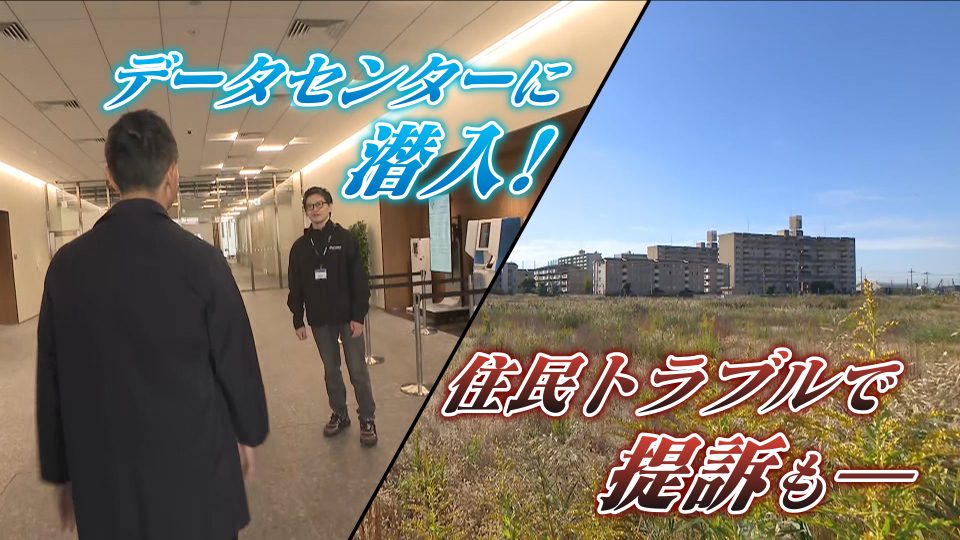
Announcer Keisuke Iwamoto visited an AI data center in Kyoto Prefecture. It stands in a corner of a suburban streetscape, with few windows and no large signboard.
Normally only contracted users may enter. Identity checks by ID card and biometric authentication are required, and visitors must clear several checkpoints. Beyond that security lies the server room, the heart of the facility, which was still under construction as server racks were being brought in.
The server room actually in operation is kept entirely closed to the public to prevent leaks of confidential information, among other reasons. Running at maximum capacity for a day uses about as much electricity as 72,000 ordinary households, ABC News reported.
AI as a daily companion
People on the street described using generative AI to draft emails, choose outfits and handle romantic advice. One woman in her 20s said she asks what outfit suits the temperature; a woman in her teens said she screenshots messages from someone she likes and asks how to reply.
One man in his 20s said he has AI turn what he says into email text. "It's really capable — more like a colleague, or a companion," he said.
“If you're meeting tomorrow, let's work out your opening line together.”a reply shown on one user's phone, generative AI output