
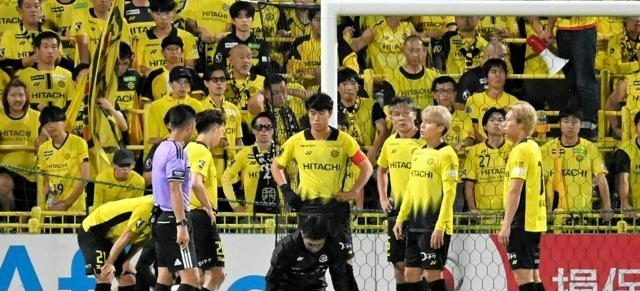
Kashiwa Reysol goalkeeper Tomoya Wakahara, 26, took a heavy blow to the head in two consecutive J1 league matches in October and was substituted both times with a suspected concussion, the Asahi Shimbun reported.
Repeated concussions can lead to cognitive impairment, and doctors are being asked to judge carefully before clearing a player to return.
The Nagoya match
In the sixth minute of the first half against Nagoya Grampus on October 17, a Nagoya player lunged at a low ball in front of the Kashiwa goal and collided hard with Wakahara as he tried to catch it.
Nagoya scored the opening goal from the play. Wakahara went down holding his head and the match was stopped for more than five minutes. He was carried off on a stretcher and has not been in the squad, not even on the bench, for the five official matches since.
Earlier blow against Kobe
Wakahara also took a blow to the face in the match against Vissel Kobe on October 9. He got up immediately, but went down again when play stopped and was substituted.
What the protocol requires
The Japan Football Association (JFA) has circulated a protocol to every club covering the handling of a concussion in high-level adult players, including J-League footballers, from the response on the pitch to the return to play. It asks clubs not to bring players back casually.
The return program has six stages, beginning with activity that produces no symptoms, such as 10 minutes of walking, and ending with full-contact practice. Exercise intensity rises gradually while the player's condition is assessed. A player can return in as little as seven days if symptoms do not recur or worsen.
For student and amateur players the JFA publishes a grassroots version of the FIFA concussion protocol. It notes that children and youth players may take longer to recover than adults and need more cautious handling.
“Players should not be returned to play if they have symptoms.”the JFA's guidance