
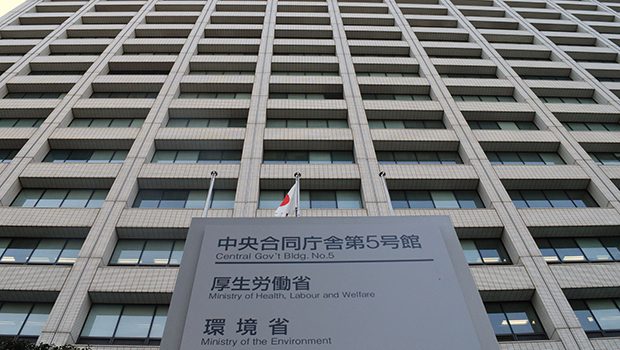
The health ministry plans to raise the minimum enrollment period for severance pay under the social welfare facility staff retirement allowance mutual aid system, currently one year, a review panel heard on the 2nd. The ministry will decide the new figure after looking at how private companies set their own rules.
The system covers social welfare corporations, the bodies that run welfare facilities, and about 80% of them are enrolled. Workers pay nothing. Corporations pay contributions that cover the severance due in the same fiscal year, a pay-as-you-go arrangement. Rising payouts, driven by recent improvements in staff treatment, have drained the reserve held to keep contributions down.
The ministry told the panel the system needs to review both benefits and burdens so it can keep paying severance into the future. It wants a longer qualifying period in order to reward people who stay in the job longer, and it will set a transitional measure so staff already enrolled do not lose out.
Pay calculated before demotion
Severance is currently based on the average of a worker's base salary over the six months before leaving. When a pay cut follows the surrender of a managerial post or a change of duties, staff often resign once and rejoin to protect their payout. The ministry said it will change the rules so pay before the reduction can be used in the calculation.
It also plans to raise the ¥360,000 monthly salary cap used as the basis for calculating severance, reflecting recent wage growth.
Contributions set to rise
Higher contributions from corporations look unavoidable if the system is to stay stable. The ministry said it will make the increases easier for corporations to predict by spreading them out more evenly.
The period over which income and spending must balance when contributions are set will be extended from roughly five years to one looking ahead to around 2040, when the number of retirees is expected to rise. Longer projections should head off sharp increases. Where reserves fall short, the ministry said the Welfare and Medical Service Agency's lending program could be used as needed.
The panel will meet about twice more before issuing its final recommendations.