
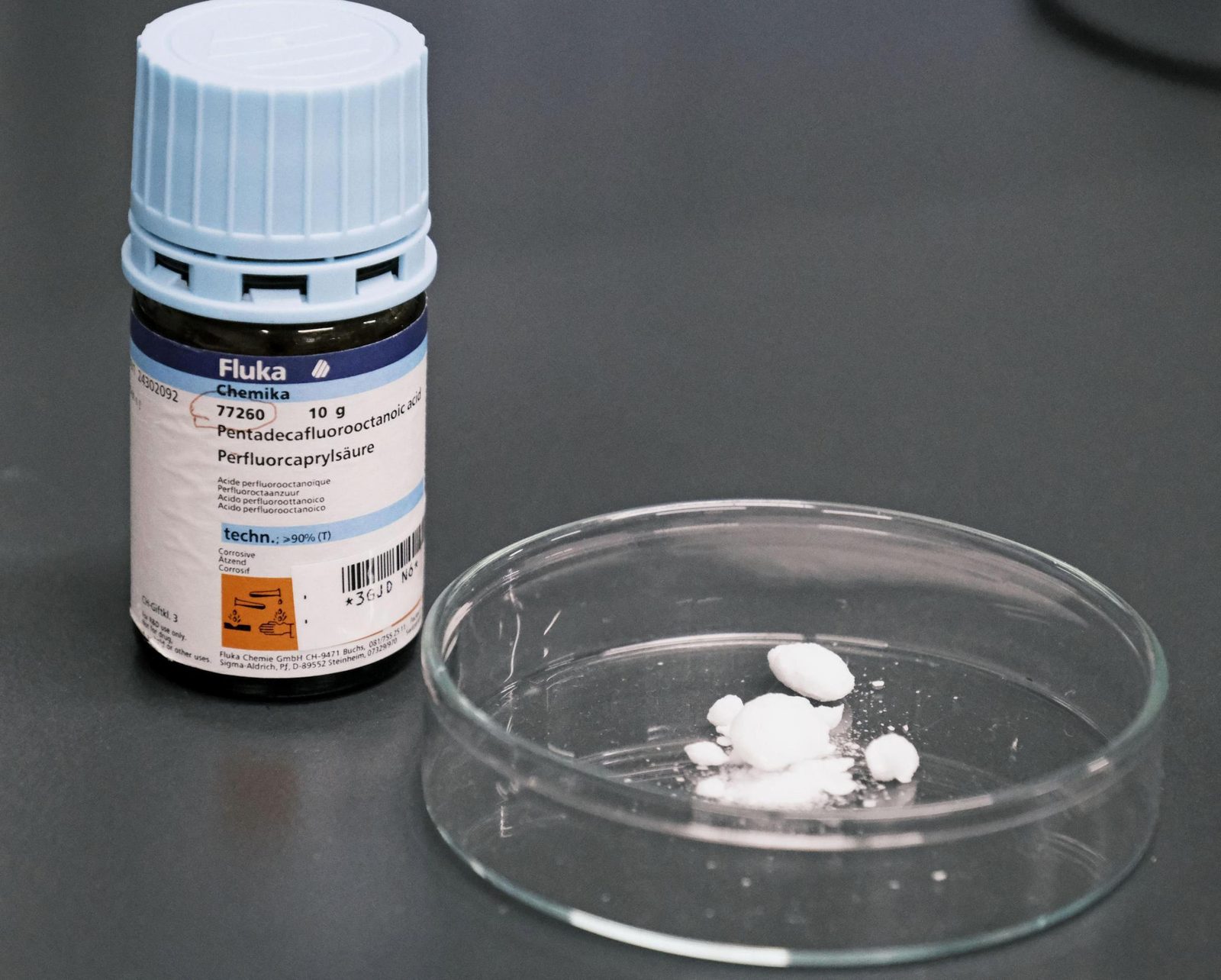
Women with high concentrations of PFAS — per- and polyfluoroalkyl substances, the synthetic chemicals that do not break down in nature — in their blood showed a greater tendency to develop estrogen receptor-negative breast cancer than women with low concentrations, a team including researchers from the US National Institutes of Health reported in a US medical journal on the 5th.
For PFOS, one of the best-known PFAS compounds, the group with high blood concentrations faced nearly twice the risk of the group with low concentrations.
PFAS have been used in water-repellent finishes for clothing and everyday goods. Because they do not degrade naturally and persist for a long time, they are also called "forever chemicals." More than 10,000 types are said to exist, and imports and manufacture of the representative compounds PFOS and PFOA are in principle banned in Japan.
The participants were 35 to 74 years old and lived in the continental United States and the territory of Puerto Rico. None had breast cancer when their blood was drawn. The team compared about 1,600 people later diagnosed with breast cancer against more than 2,000 who were not.
Estrogen receptor-negative breast cancer is a type in which the female hormone estrogen plays no part in the growth of the cancer.
The study adds to evidence from outside Japan about PFAS and cancer, including a reported strong link between PFOS and kidney cancer in Okinawa that researchers there said requires a large-scale investigation. In Japan, the chemicals have turned up in waterways: firefighting foam containing organic fluorine compounds flowed into the Shukugawa river in Nishinomiya, Hyogo Prefecture, after a malfunction at a nearby condominium, leaving the water surface intermittently covered in foam.