
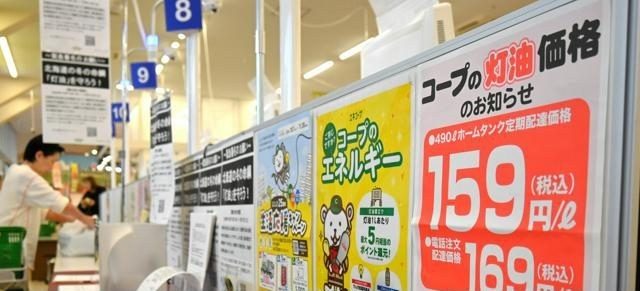
Kerosene prices in Hokkaido have climbed to a record ¥160 a liter including tax, the island's average delivered price, as a hard winter approaches. Prices could reach close to ¥190 before the year is out, putting heating fuel out of reach for some households.
In Otofuke, an inland town in the Tokachi region, winter temperatures drop below minus 10 degrees Celsius. The baseball team at Otofuke High School practices in a vinyl greenhouse heated by kerosene heaters, using about 150 liters a month.
The school's budget is limited, so when consumption rises, parents pay more. The team has seven members, and coach Junichi Taga, a 37-year-old teacher, keeps the heaters low to hold costs down.
“I'm scared of this winter. When your body gets cold, the risk of injury goes up too. Honestly, I want to let them practice somewhere as warm as possible.”Junichi Taga, baseball coach and teacher at Otofuke High School
At the Co-op Sapporo Nijuiken store in Sapporo, a sign listed the regular delivery price at ¥159 a liter. In October, Co-op Sapporo raised its regular delivery price in the Sapporo area to ¥159 from ¥144, the previous high. Last winter the price was ¥124, ¥35 lower.
Enecoop, the Sapporo company that procures Co-op Sapporo's kerosene, said the price it pays trading houses has jumped. Many Hokkaido households buy kerosene on regular home delivery, which makes the delivery price the one they actually pay.
For residents on pensions, the increase lands alongside higher food prices. Kaoru Fukazawa, 78, said she runs the stove from morning until noon, then goes out so she does not burn kerosene.
“It's tough. Hokkaido winters really can kill you, so we have to wear layers. Everyone is struggling.”Kaoru Fukazawa, Sapporo resident
A 90-year-old woman in Chuo Ward, Sapporo, who lives with her sister in an apartment, said she normally starts using a kerosene stove around November. This year she plans to wear more clothes indoors and use disposable hand warmers to keep the stove off.
“I live on a pension, so there's only so much money. Higher kerosene is a problem.”the woman, Sapporo resident