
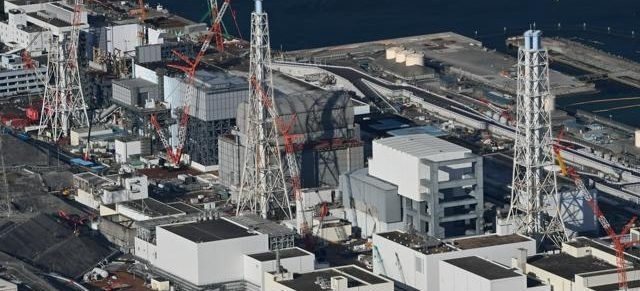
About ¥13.9 trillion had been spent on compensation and other responses to the Fukushima Daiichi nuclear accident by the end of fiscal 2025, the Board of Audit found in an inspection published on November 5.
That is roughly 59% of the ¥23.4 trillion the government had estimated the response would cost. The figure is likely to grow further when the expense of removing melted nuclear fuel, known as debris, is added.
The board has examined these costs in 2013, 2015, 2018 and 2022. The latest total is ¥1.8 trillion more than the previous inspection, which covered fiscal 2011 through 2021.
Where the money went
- Compensation to victims: ¥7.9384 trillion, up 11% from the previous inspection
- Decontamination: ¥3.2131 trillion, up 7%
- Decommissioning and contaminated water measures: ¥2.2477 trillion, up 32%
- Interim storage facilities: ¥531 billion, up 98%
Decontamination spending is trending down. Compensation tied to the release of treated water into the sea, which began in 2023, accounted for ¥90 billion. The water is generated by cooling the debris.
Debris removal is the open question
The board flagged decommissioning and contaminated water measures, which Tokyo Electric Power Company Holdings mainly bears, as the area most likely to drive costs higher. About ¥3.6 trillion more is expected from fiscal 2026, but that does not include the equipment needed to remove debris from reactors 1 and 2.
The government expects debris removal to cost up to ¥8 trillion. Whether the remaining ¥2.2 trillion will cover it is not yet clear.
The government borrows from financial institutions and effectively lends the money to TEPCO through the Nuclear Damage Compensation and Decommissioning Facilitation Corporation. TEPCO and other utilities repay it through the corporation, using contributions ultimately funded by electricity bills. Decontamination costs are to be repaid from proceeds of selling TEPCO shares held by the corporation.
Using current payment conditions and share prices, the board calculated that TEPCO would finish repaying in fiscal 2065, almost unchanged from its previous estimate.
Interest costs set to double
TEPCO's finances remain strained. The group posted a net loss of ¥454.2 billion for the fiscal year ending in March 2026, hit by special losses related to decommissioning. It aims to set aside ¥500 billion a year for compensation and decommissioning but secured only about ¥368 billion in fiscal 2025.
Interest payments are also rising sharply as the Bank of Japan's policy shifts. The board estimated that interest on the government's borrowing would reach about ¥101.9 billion a year, based on the outstanding balance and an average rate of 1.287% at the end of fiscal 2025. That is about twice the roughly ¥50.8 billion in interest paid across fiscal 2011 to 2025.
The board told TEPCO to improve its earning power so it can keep supplying electricity reliably and continue bearing the costs of the accident response, noting the burden the situation places on electricity users.