
More than 70% of Higashiyamato residents who signed up for a mail-in colorectal cancer screening study run by Toho University and the city had not been screened in the past year, Kyodo News reported, a gap that shows Japan's screening system still misses most people it should reach.
The study began in April in the western Tokyo city. Residents applied by September, and their answers were reported on Tuesday. Colorectal cancer is most treatable when caught early, and the health ministry recommends screening once a year.
The findings suggest screening has taken hold only partly. Those who already seek testing are not the ones the program most needs to reach.
A kit in the mailbox
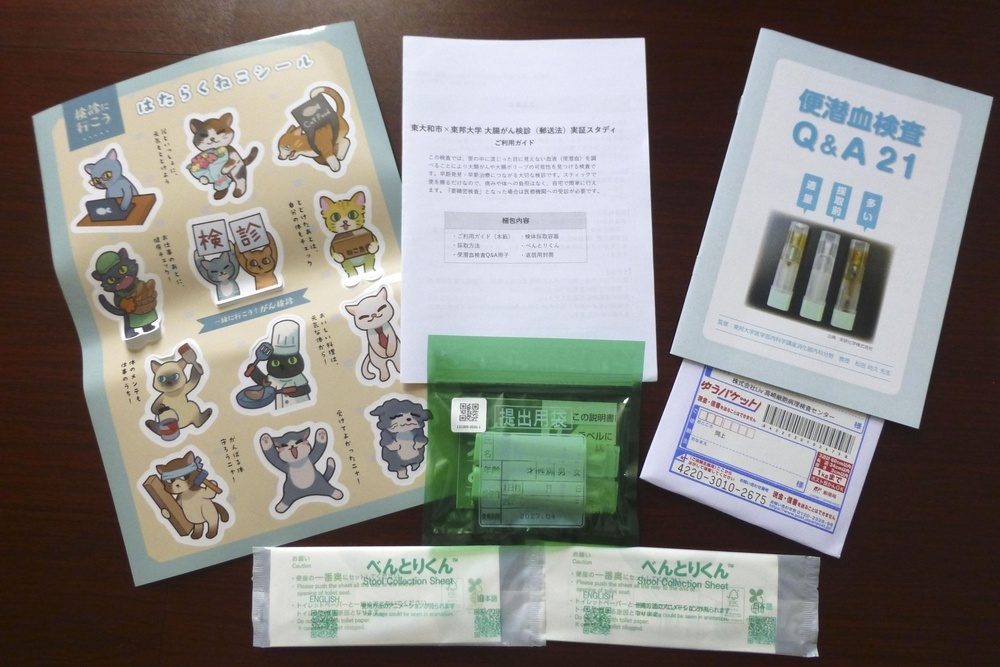
Colorectal screening normally means collecting a sample, sealing it in a test kit and carrying it to a clinic. The mail-in method works differently. Patients apply on a smartphone, a kit arrives at home, and they drop the sample in a postbox and receive the results.
The lighter burden is the point. University officials said the postal route may open the door to a wider range of age groups, since many of those who signed up had been skipping screening.
Summer heat and sample quality
The study covers about 3,500 residents aged 45, 55 and 65. It uses a newer preservative liquid that keeps a sample's components stable to some degree even in the high temperatures a postbox reaches in summer.
Researchers are mainly tracking whether the screening rate changes and whether the summer heat affects the share of positive results.