
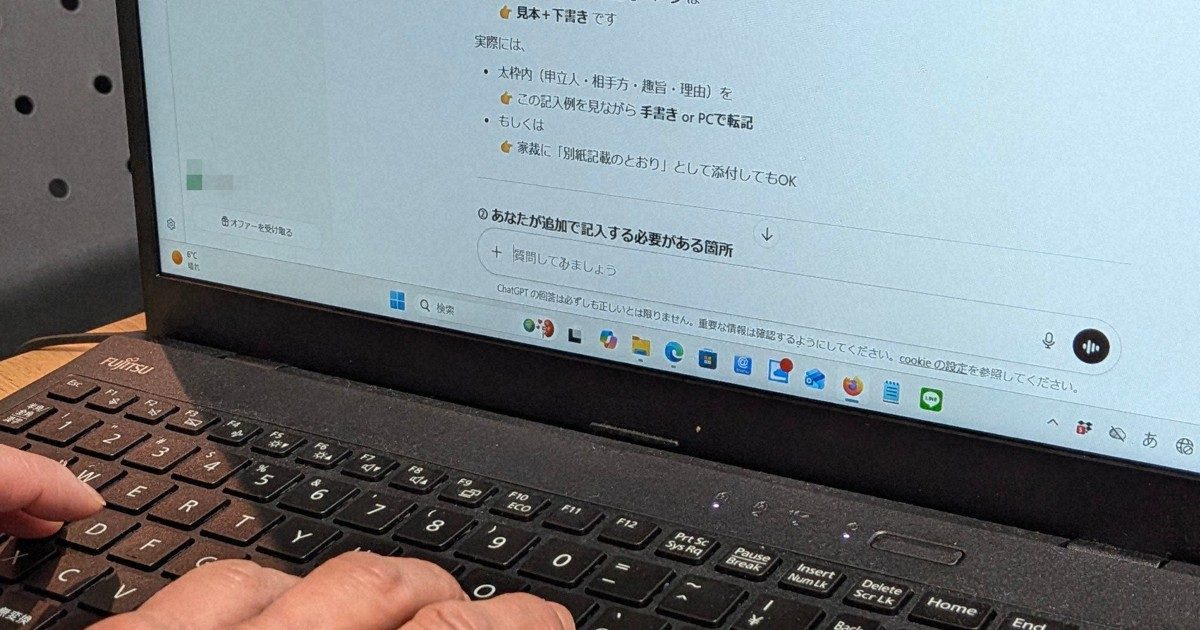
A single mother who sought legal recognition of her son's father went to court without a lawyer and won, consulting a generative AI tool as she went, according to a Mainichi Shimbun podcast episode released on November 6.
The episode, part of the paper's "Reading Today's Japan with Reporters" series, examines what role the AI played as she worked through court procedure. Shimanaka Nobuyuki, a desk editor in the paper's city news group, who reported the case, explains it in the program.
The full version of the episode goes further, taking up the question of how generative AI may change the courts. A director's cut is available on audiobook.jp, and a free version can be heard on Apple Podcast and Spotify.
The case
The woman asked the court to confirm a legal parent-child relationship between her son and his father. In Japanese family law that step is 認知 (ninchi), a father's acknowledgment of a child born outside marriage, which establishes the legal tie and with it rights to support and inheritance.
She handled the case herself, drawing on the AI tool for guidance rather than retaining a lawyer, and the suit succeeded.
Rules still unwritten
The episode does not say which AI service she used, what she asked it, or which court heard the case. The paper's earlier reporting on the lawsuit was published under its own byline.
The program frames her win as a question for the courts rather than a settled practice. Japanese court procedure has no published rule on how litigants may use generative AI, and the episode treats the case as a sign that the question is arriving before the rules are.