
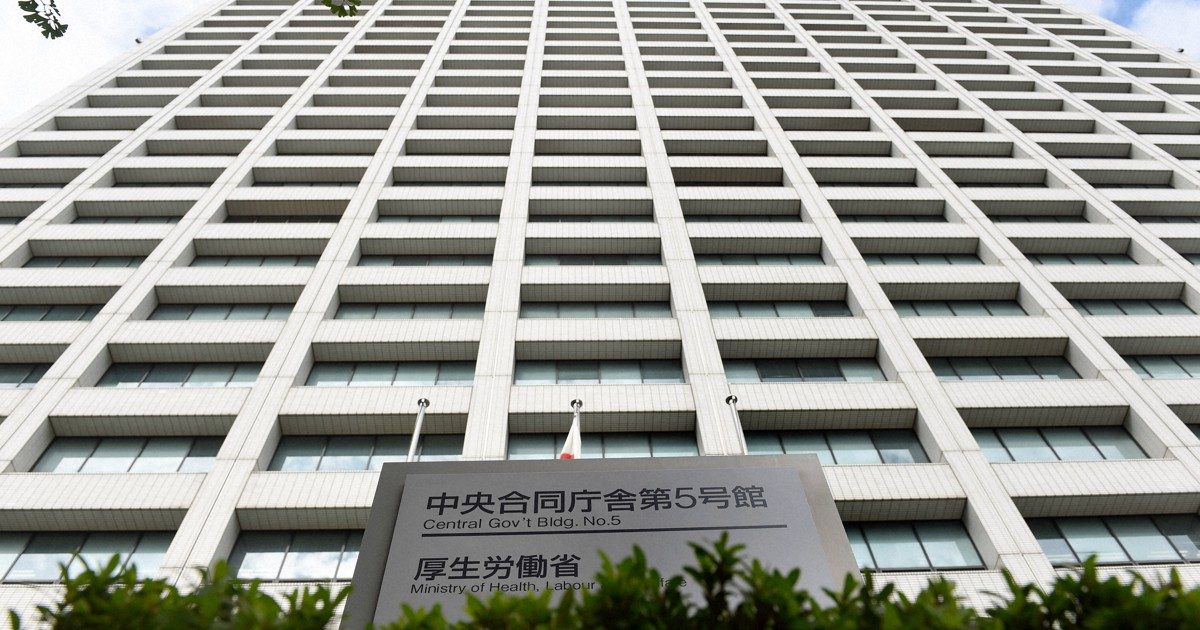
Only about 40% of care facilities and providers say they have a procedure in place for the first response when customer harassment breaks out at work, according to preliminary results of a survey by the Ministry of Health, Labor and Welfare.
In October, a revision to the Labor Measures Comprehensive Promotion Act — a law covering employment policy and working conditions — made customer harassment countermeasures mandatory for all employers. Pressure is now on care operators to build systems that protect their staff.
The survey drew responses from 936 facilities and providers. Asked what share of their staff had experienced customer harassment in the past year, providers reported 23.3% in home-visit nursing care, 34.0% in home-visit nursing, 22.9% at welfare facilities for the elderly and 32.6% at health facilities for the elderly, among other figures.
Gaps in procedure
Some 72.1% of facilities and providers said they have a system in which managers and others establish the facts and consider how to respond. But only 39.0% said they have procedures for the initial response, and just 15.4% have rules for deciding whether to cancel a contract or end the provision of services.
With the October obligation in force, the ministry will strengthen measures at care sites. Current operating standards for care services require countermeasures against power harassment — the abuse of a superior's position — and sexual harassment, but customer harassment is only listed as something providers are encouraged to do. The ministry plans to revise the standards so that customer harassment measures become mandatory as well.
The standards also bar providers from refusing services without legitimate grounds. The ministry will consider clarifying what counts as a legitimate reason.