
The Japan Meteorological Agency has shifted the epicenter of the magnitude-5-strong quake that struck the Tokai region before dawn on Nov. 8 from western Shizuoka to eastern Aichi, as a panel of experts concluded the temblor does not raise the likelihood of a Nankai Trough megaquake.
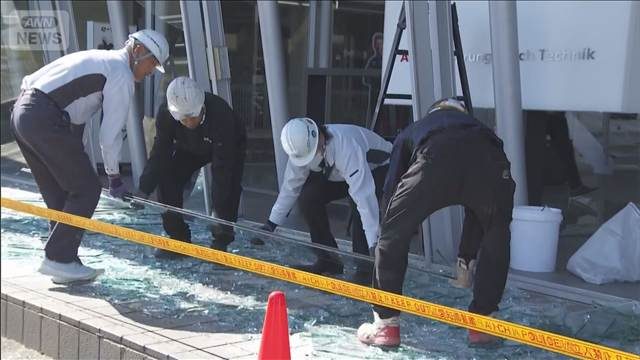
The earthquake shattered storefront glass across the region. At a car dealership in Toyohashi, Aichi, which recorded a lower 4 on the Japanese intensity scale, shards were scattered outside and inside the showroom.
Three of the five cars on display were damaged by the fragments.
“My own home felt the strong shaking, but I never imagined the showroom would end up like this, so I am honestly surprised.”Koichiro Sato, manager of Audi Toyohashi
Panel: no added Nankai risk
The agency's Earthquake Research Committee evaluation panel, which gathers specialists on earthquakes, said the Nov. 8 event does not increase the chance of a Nankai Trough quake.
“Yesterday's quake not leading to a Nankai Trough earthquake is today's conclusion. That does not mean a Nankai Trough earthquake will never happen.”Naoshi Hirata, chair of the evaluation panel
Hirata said a Nankai Trough megaquake could strike at any time without anything unusual about it. He urged people to keep up routine preparations.
Shelves cleared in Hamamatsu
Hamamatsu in Shizuoka, next to Toyohashi, recorded a lower 5 on the scale. At a home center in Shizuoka city, a special corner stocked with food reserves and goods for power and water outages drew heavier traffic after the quake.
The store said demand for disaster-related goods strengthened following the Nov. 8 shaking.
“For the whole family, I doubt this would last two days. There was also a quake in the middle of the night on the 8th, so I want to get prepared.”A customer in their 40s
“Add a little to the regular shopping, buy a little and keep a little in reserve. Quite a few people picked up emergency food and bought it.”Noriya Hibara, sales line manager at Cainz Shimizu store
The quake reached a maximum of upper 5 on the Japanese intensity scale, which runs from 0 to 7.