
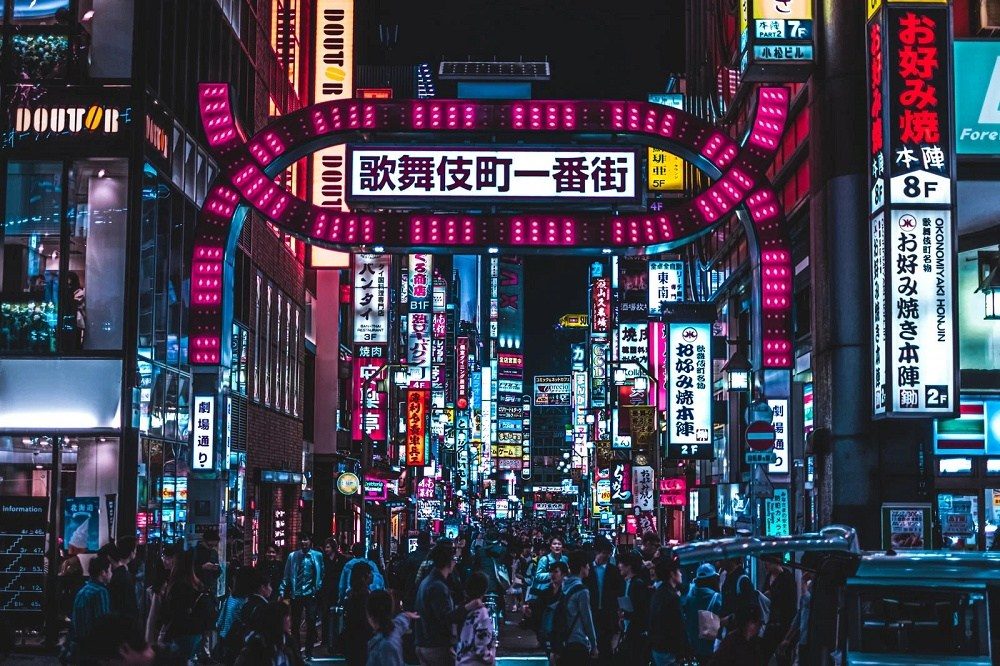
Complaints from foreign tourists about being ripped off at bars in Tokyo's Shinjuku Ward have roughly tripled, with the precinct covering Kabukicho logging about 240 between January and October, three times the same period in 2025, SoraNews24 reported.
Across the whole ward, the Shinjuku Precinct has received around 340 complaints of bar ripoffs so far this year. Claimed damages total roughly 390 million yen (US$2.45 million), nearly triple the 140 million yen for the whole of 2025.
About 70 percent of the complaints come from foreign tourists. The Tokyo Metropolitan Police say they have noticed a pattern of African kyakuhiki — customer pullers who work the street — targeting visitors in particular.
How the scam works
A common pattern starts with a barker approaching tourists on the street and leading them to a bar. When the bill is settled at the end of the evening, the bar adds charges the customers did not know about or agree to.
Other schemes include exorbitant prices for otoshi, the small appetizer served on seating at Japanese pubs, and vague service or seating charges tacked onto the bill. At host and hostess clubs, where customers pay for their companion's food and drink as well as their own, staff may add extra orders and say the companion requested them.
On November 11, police arrested a 62-year-old Nigerian resident of Japan on charges of running an unlicensed bar in Kabukicho, as part of a crackdown.
With foreign visitors accounting for most complaints, it is hard to say whether the scams themselves are growing more common. Japan's inbound tourism boom may simply mean more potential victims, and more of them willing to go to police.
Protecting yourself
Kyakuhiki are worth treating with caution. Because of their association with ripoff joints, legitimate businesses rarely send them much farther than their own front entrance. The longer the walk a puller takes you on, the more likely something is wrong, since the distance and disorientation are often part of the setup.
Asking about charges upfront helps if you are unused to Japan's bar scene. These phrases are useful:
- Otoshi dai wa ikura desu ka? / How much does the otoshi cost?
- Teburu chaji wa arimasu ka? / Is there a table charge?
- Sekiryo wa arimasu ka? / Is there a seating charge?
- Sabisu chaji wa arimasu ka? / Is there a service charge?
Sticking to established chain pubs and bars is another safeguard. Large chains must comply with laws and regulations to protect their whole business group, so they can generally be trusted not to rip you off.
Not every lure comes from an official kyakuhiki. An attractive stranger unusually fixated on having a drink with you at one particular, unremarkable bar is probably a sign that bad things are ahead.