
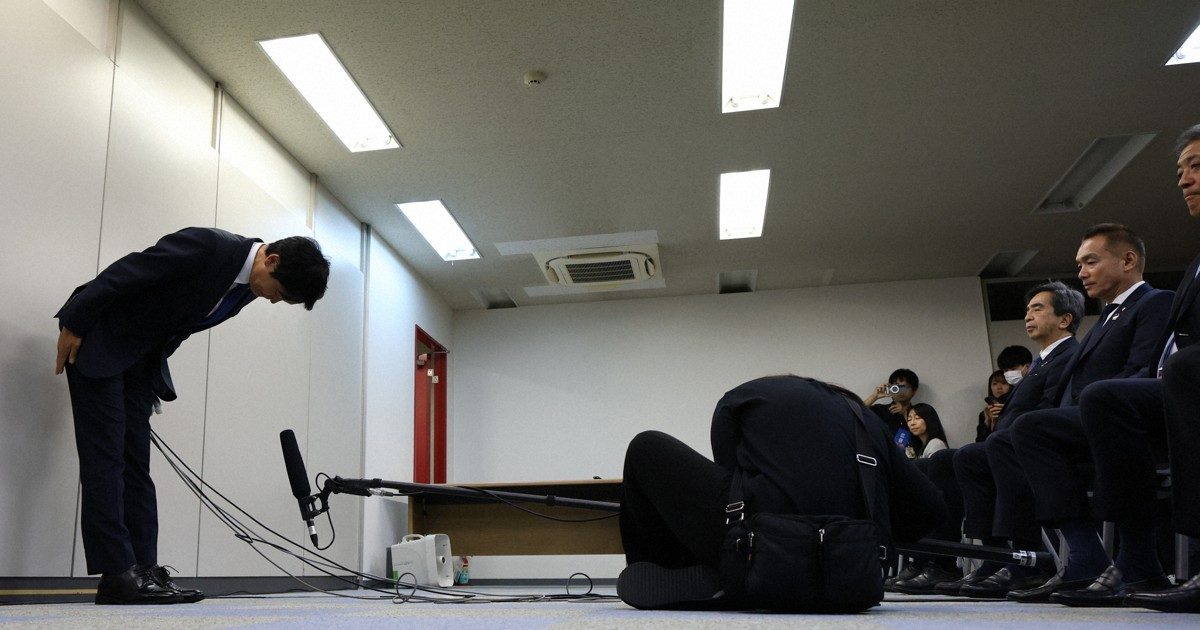
Atsumi Harasawa, a 59-year-old lawyer backed by the local organizations of the Liberal Democratic Party and three other parties, won the Yokohama mayoral election held after Mayor Takeharu Yamanaka resigned, the Mainichi Shimbun reported. Yamanaka, 54, had been found to have committed power harassment — the abuse of a superior's position — against city staff, and finished third among seven candidates.
The harassment case unsettled Yokohama's city government for about 10 months. Yamanaka's exit does not close the wider question: mayors in other municipalities have also harassed staff, and local institutions have few tools to restrain a mayor who does.
How the case surfaced
The matter began in January, when the then head of the personnel department reported it to news organizations. A third-party investigation's report in July found that Yamanaka's verbal abuse of staff and his orders barring employees from the mayor's office amounted to power harassment.
The report was especially harsh on his use of words such as "purge" and "ship out" against staff, backed by his authority over personnel decisions, calling it "the very worst kind of power harassment." Some employees fell ill or were forced to quit after unexpected reassignments.
Pressure to resign
Calls for him to take responsibility grew quickly. The three main factions on the city assembly asked him to resign. Cities and international organizations taking part in an international conference co-hosted by Yokohama also sent opinions and inquiries about the harassment, and Yamanaka at one point stayed away from the event. He announced at the end of August that he would resign.
The election was held little more than a year after the previous one. Seven candidates ran, but no major policy issue divided them, and voters interviewed on the street struggled to choose.
Ami Kaminai, a reporter who has covered the case, argues it should not end with Yamanaka's departure. The city should use it as a chance to build systems that keep a mayor from running unchecked, she said.