
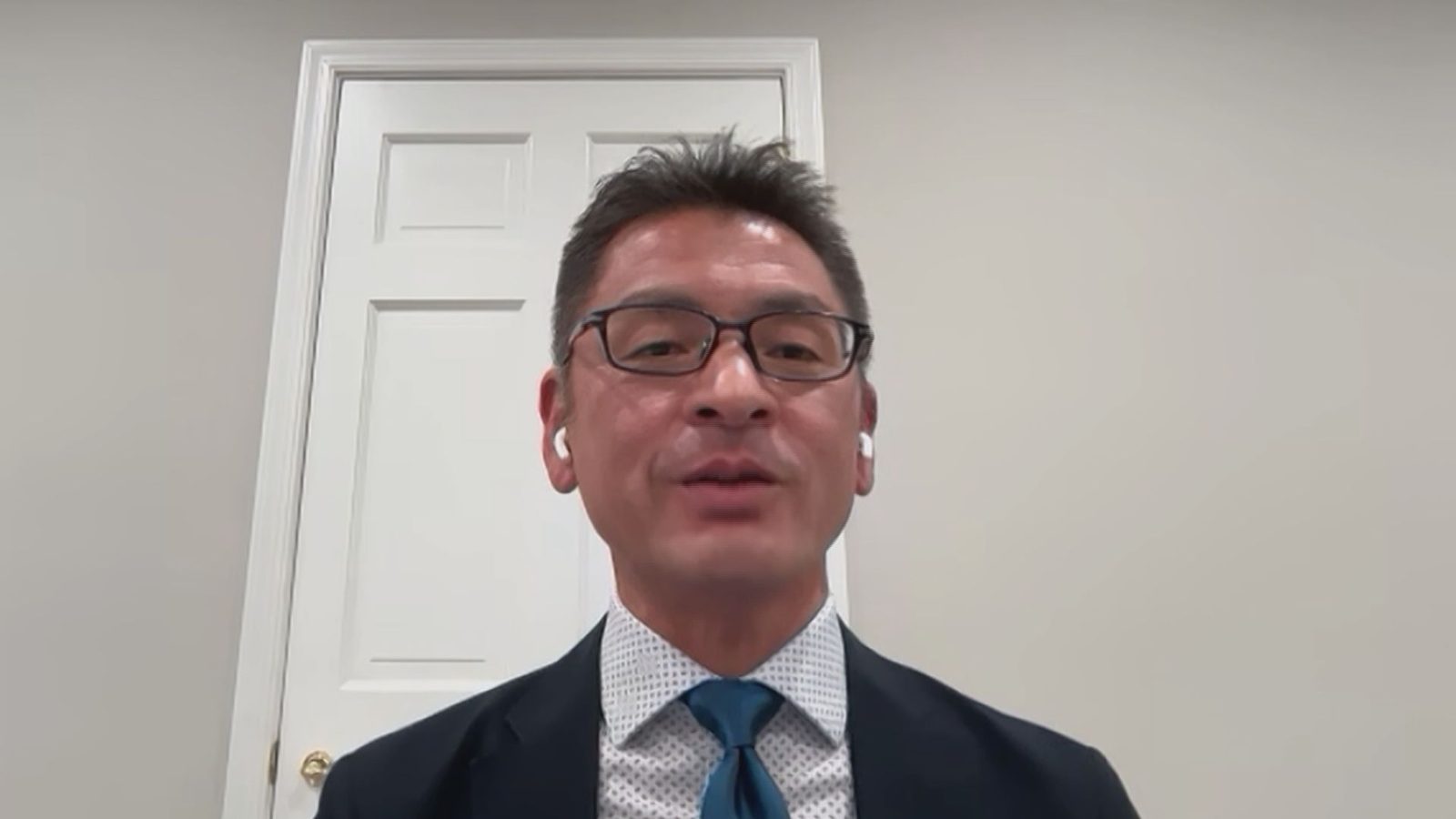
A Democratic candidate has won a Senate seat in Texas for the first time in 38 years, in the US midterm elections. For Japanese manufacturers, the result is unlikely to loosen Trump tariffs, according to Yasuyuki Yamagishi, a professor at Nanzan University and director of its Center for American Studies.
Yamagishi said Republican turnout was part of the story. "I think a fair number of Republican supporters did not go to vote," he said. The bigger factor, he argued, was household finances: "US elections come down most of all to the state of your own pocket. The economy being worse than two years or four years ago is the biggest reason for the defeat."
Anchor Kunihiko Oishi asked which Donald Trump was speaking after the vote, given that the president had called himself "Mr. Veto" and then said he would accept the Democratic result. Yamagishi expected the president to distance himself from the outcome. "He will say he supported it but it was not his fight," he said, describing it as Trump's usual pattern of blaming others.
Oil and tariffs
On oil prices, which have been driven up by the situation in Iran, Yamagishi said pressure to end the war could grow, including from Republican lawmakers.
Tariffs are the concern for manufacturers in the Tokai region. Yamagishi said bills to cut tariffs might be introduced, or proposals requiring parliamentary approval for new tariffs. "But the president has a veto, so it is very difficult," he said. "You should not be optimistic."
Trump's politics, spanning tariffs and the oil price, is being watched by governments including Japan's for any sign of change.