
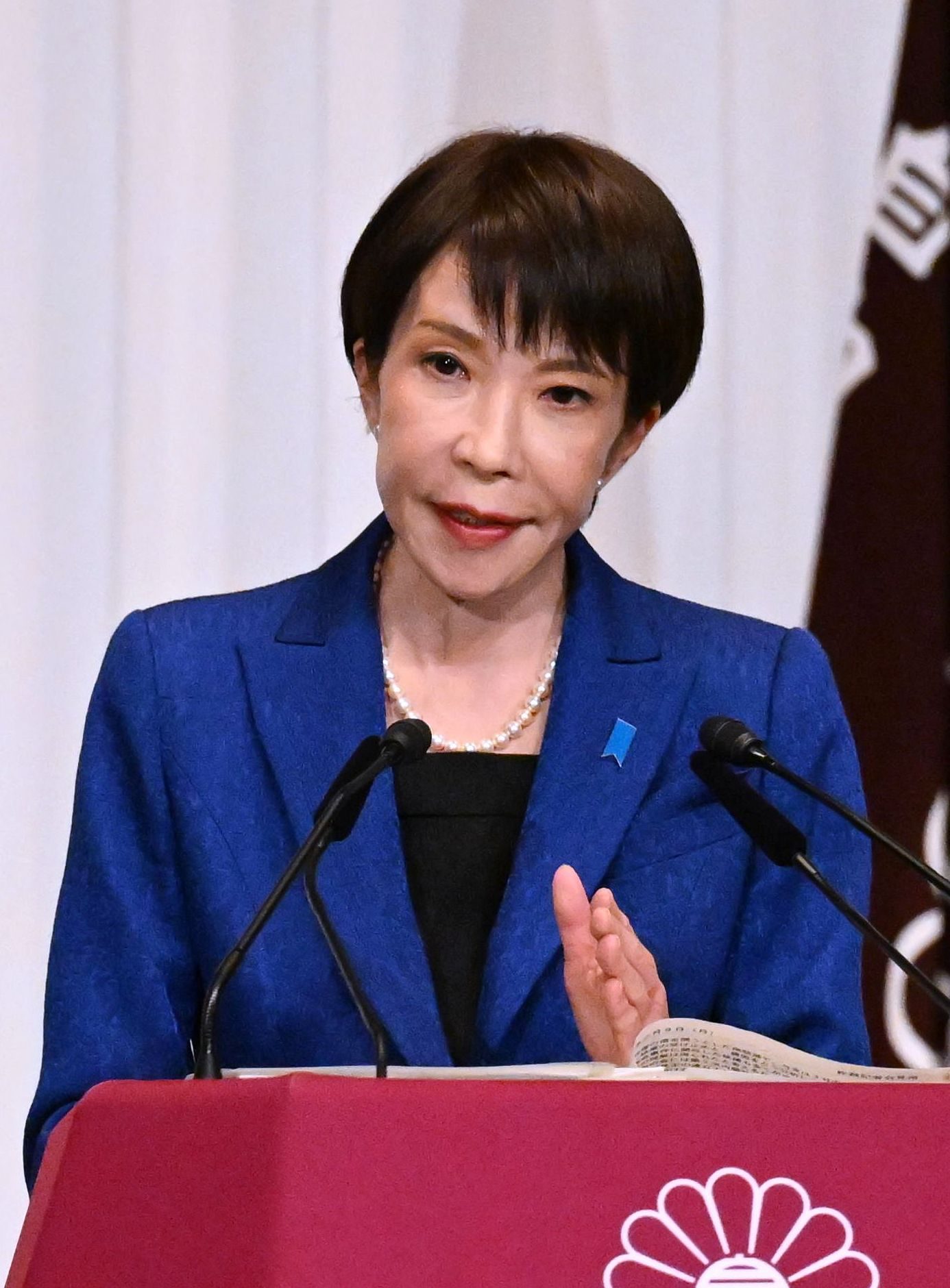
Saturday marks one year since Prime Minister Sanae Takaichi told the Diet that a Chinese military move on Taiwan could constitute a survival-threatening situation for Japan. Beijing has not softened since. Dialogue between the two governments is all but severed, and the chill is reaching trade and people-to-people exchange.
China has applied pressure through export restrictions and a call for its citizens to refrain from travel to Japan. Since January, it has restricted exports to Japan of dual-use goods, including rare earths, and the effects are showing up at Japanese companies.
One executive at a major Japanese manufacturer operating in China sighed when asked about the outlook. "The problem is not where we are now, it is what comes next," the executive said on Friday.
Firms have ridden out the rare earth measures on stockpiles, but diversifying suppliers is not easy. Chinese authorities, at both national and local level, have kept their contact windows closed to Japanese companies alone, another source of concern. "If this drags on, won't we fall behind competitors from other countries?" the executive said.
Tourists and students stay away
Beijing continues to criticize Takaichi's view of history and her security policy as a "new militarism." It has urged Chinese citizens to avoid travel to Japan, citing a deterioration in public safety, and Chinese visitor numbers have fallen sharply.
Exchange programs between universities in the two countries have been suspended or postponed, including publicly funded placements. A member of a Chinese group that supports students said some parents now keep their children from studying in Japan for fear of how those around them will see it. "It does nothing but harm our ability to raise future talent," the person said.
No channel left in Tokyo
Legislator diplomacy has eased past downturns in the relationship. This time the Komeito party, which built good ties with Chinese leaders over the years, has left the governing coalition, and senior figures in the Liberal Democratic Party and Nippon Ishin no Kai have shown no eagerness to repair relations.
People close to the prime minister say there is nothing Tokyo can do from its side. Her tough stance on China plays well with conservative voters and is seen as underpinning the cabinet's high approval ratings.
Since the summer, lawmakers from across party lines have tried to open a path. Former Foreign Minister Takeshi Iwaya, who heads the Japan-China Economic Association, the body that handles economic exchange with China, met with Communist Party leaders, but there has been no visible coordination with Takaichi's government.
Calls to improve ties remain strong, especially among people running businesses in China. A voice from within the governing coalition said the prime minister has no instinct for thinking about the national interest.
APEC summit in Shenzhen is the near-term test
Attention now turns to the Asia-Pacific Economic Cooperation summit in Shenzhen, Guangdong Province, on the 18th and 19th of this month. Takaichi is expected to come face to face with President Xi Jinping for the first time in a year, and a leaders' meeting could open the way to an improvement. Even the foreign ministers' talks that would precede it have not been arranged, and a Japanese diplomatic source was dismissive: "No one assumes there will be a leaders' meeting at APEC anymore."
The revision of Japan's three security documents, which the government aims to complete by the end of the year, is likely to be another obstacle. China reacted sharply in 2022 when the documents included the right to counterstrike — the ability to hit enemy bases — and it will probably sharpen its criticism further this time.
Next year brings the Communist Party congress, held once every five years, at which Xi is expected to secure a fourth term. That makes the period politically sensitive in Beijing, and there is no sign China will make the first move. "It may take years to rebuild the relationship," a Japanese diplomatic source said.
What Takaichi said
On November 7 last year, in the Budget Committee of the House of Representatives, Takaichi was asked about cases in which Japan could exercise the right of collective self-defense. If China took Taiwan by force, she said, the situation "could amount to a survival-threatening situation." China, which seeks unification with Taiwan and treats the Taiwan question as a core interest, reacted furiously and called the remark interference in its internal affairs. Takaichi later added that Japan would judge based on a comprehensive assessment of information, in line with the position of previous cabinets.