
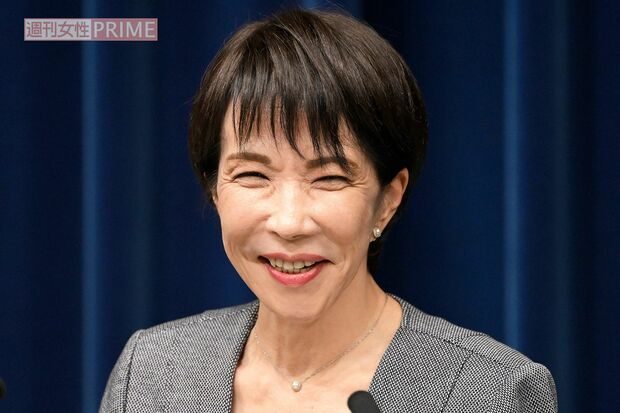
Prime Minister Sanae Takaichi skipped an online G7 leaders' meeting on October 2, and the French presidency has disputed her explanation for the absence. France, which chaired the meeting, said it had given notice days in advance, after Takaichi said Paris had arranged the session at short notice on the day.
She has offered several reasons, according to a political reporter at a national daily: that the technical arrangements could not be completed in time, that she had been told a proxy would be acceptable, and that France had called the meeting suddenly. None of them justifies the absence, the reporter said.
The meeting was scheduled to start at 9:30 p.m. Takaichi dined with Liberal Democratic Party Vice President Taro Aso, Secretary-General Shunichi Suzuki and others from 6:30 p.m. to 7:45 p.m. that evening. Senior Deputy Foreign Minister Kazuya Endo attended in her place.
Since 2023, the prime minister has normally joined the meeting. Asked about her crisis management, Takaichi said she keeps her official smartphone beside her around the clock and keeps the volume up even at night, the reporter said — a reply that does not address the criticism. Opposition parties and members of the public have both weighed in.
A pay comparison spreads online
Alongside the G7 dispute, a post on X has circulated claiming that Japanese lawmakers' pay is the highest in the G7 while the average national income is the lowest. A political journalist said the figures behind it are broadly accurate.
A report on lawmakers' income for 2025, published in June, put the average at 30.03 million yen per member, up 4.9 million yen from the 2024 figure and the first rise in two years. The National Tax Agency's survey of private-sector salaries puts the average annual income at 4.78 million yen, meaning lawmakers earn about 6.3 times as much.
The gap is the widest among the G7 countries — the United States, Britain, France, Germany, Italy and Canada. The journalist said it was unclear whether the lawmaker figures in the post included other income such as TV appearances, but that the disparity would still be the largest with that taken into account.
“Securing funding is said to be the priority, but they should start by cutting their own.”a political journalist, speaking to Shukan Josei PRIME
Replies to the post were blunt. "All I feel is anger," one read. "What they're doing is the worst in the G7," another said. Others asked why funding is always cited for tax cuts but never for lawmakers' own salaries.
The dispute over the missed meeting has not faded. France's objection to Takaichi's account of the scheduling has kept it alive, and the pay comparison has given it a second life among critics of the government.