
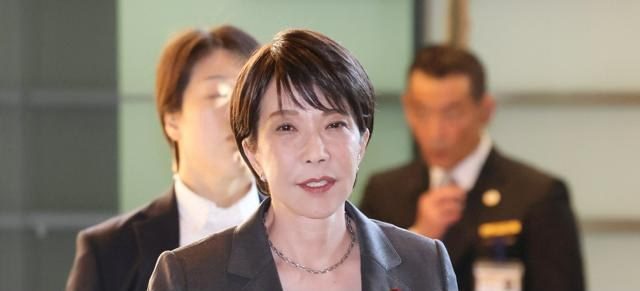
Prime Minister Sanae Takaichi is facing questions from both governing and opposition parties over her absence from an online meeting of G7 leaders in early October, after officials conceded that an hour's notice would have been enough to prepare.
The meeting was called by France, which held the G7 presidency, and ran for about 30 minutes from 9:30 p.m. on October 2. Five leaders took part, including US President Donald Trump. UK Prime Minister Burnham and Takaichi stayed away. Japan was represented by Kazuya Endo, a deputy foreign minister.
The government has cited two reasons for the absence: the agenda had little to do with Japan, and the start time was set at short notice. Neither has quieted the criticism.
Chief cabinet secretary defends the handling
Chief Cabinet Secretary Minoru Kihara told a morning press conference on November 9 that some reporting was based on "assumption and speculation," and restated the sequence of events. The start time went through several changes, he said, and "the final outlook only came together immediately before the meeting."
Kihara said the prime minister's participation was considered. But the notice was too short, he said, and the equipment and contractors needed for a G7 leaders' online meeting could not be arranged in time, so Japan sent a stand-in.
Takaichi's first public comment came on October 5, three days after the meeting, in a post on X. France, as chair, had set the meeting at the last minute that day, she wrote, and proxy attendance was permitted.
She also wrote that the meeting had been called against the backdrop of delays in European diesel stockpile releases, at a time of surging diesel prices, and that discussion focused on how Europe and the US were responding to diesel prices.
According to a government official, France made contact on the morning of the meeting to say an online session would be held that evening. The 9:30 p.m. start was formally conveyed afterward. A senior official at the prime minister's office said that around midday the start had been given as 3 a.m., and that it moved to 9:30 p.m. only just before the meeting.
Takaichi gave the same account at the upper house budget committee on October 16, answering a question from the Constitutional Democratic Party's Kiyomi Tsujimoto. Whether the meeting would start at 9:30 p.m. or at 3:30 a.m. because of other leaders' schedules was unclear until the last moment, she said, and "it was extremely confusing."
A dinner at the official residence
The Asahi Shimbun's daily record of the prime minister's movements shows that from 6:30 p.m. to 7:45 p.m. that day she dined at the official residence with Liberal Democratic Party executives, including Vice President Taro Aso and Secretary-General Shunichi Suzuki.
Takaichi told Tsujimoto that the dinner with party executives did take place but had nothing to do with her attendance at the meeting. She said she spent the meeting's time slot writing her policy speech at the residence.
Tsujimoto pressed the point: if she did not know when the meeting would be held, she would have canceled a meal with colleagues and attended. Kihara, at his November 9 press conference, said no alcohol was drunk at the gathering at the residence and that he wanted that made clear.
The government's explanation has not settled the matter. Officials have said the meeting could have been prepared for with an hour's notice, which undercuts the argument that the short notice made attendance impossible.