
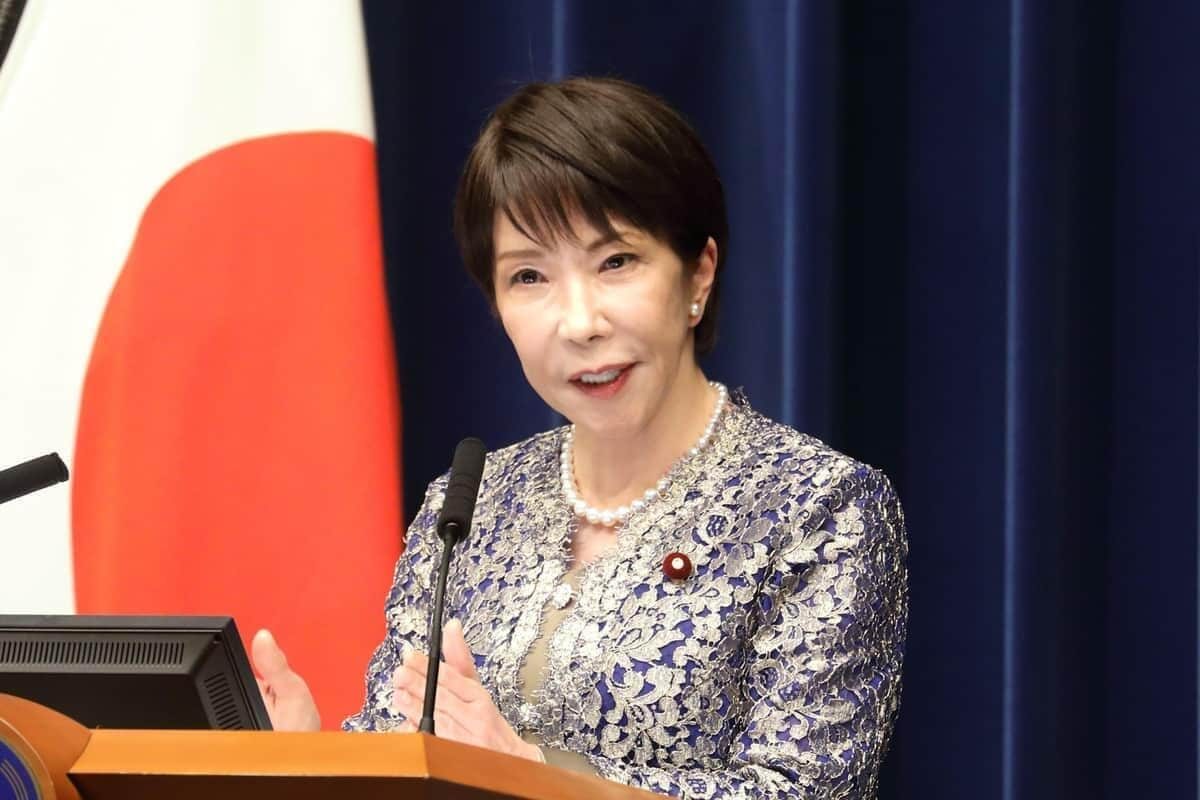
Prime Minister Sanae Takaichi's social media posts have drawn heavy criticism again, this time over a message urging older Japanese to keep working. The backlash landed as she stayed at the official residence through a Sunday and as a row over her absence from a G7 meeting continued.
Takaichi posted two long messages on X on the morning of Sunday, October 25, 2026, a day her official schedule listed as "spent all day at the official residence." One of them, on promoting employment among older people, drew the bulk of the anger.
"It is important, from the standpoint of social and economic vitality and from the standpoint of the person's own health and sense of purpose, that motivated people, including older people, work," she wrote, before running past 900 characters. She cited employment rates for each age group from the 60s to 75 and over in 2025 and wrote that they "can be expected to rise further."
Nearly 9,000 comments, mostly angry
The post drew close to 9,000 comments, most of them expressions of anger. "A lot of people aren't working because they want to, they have no choice — don't go deciding for them that it gives them purpose," one read. Another echoed a past Takaichi remark: "We will have them work and work and work and work and work."
A Cabinet Office survey puts the gap in plain numbers. Among people aged 60 and over who hold jobs, 55.1% gave income as their main reason for working. "Because it is good for the body and prevents aging" drew 20.1%, and "because I can use my knowledge and abilities" 12.4% — well short of the health and purpose Takaichi stressed.
The government's work-style reform push does not stop at older workers. In April, Takaichi instructed officials to study expanding the discretionary work system — which pays employees by results rather than hours — for the current working generation. Concerns that it will lengthen working hours remain strong.
The post also revived a line from a year earlier, when Takaichi said she would "work and work and work and work and work." Commenters tied the two together, and the message landed as a net loss for the prime minister.