
Prime Minister Sanae Takaichi will pledge Japanese support for joint oil stockpiling in Asia at an AZEC leaders' meeting in Manila on the 17th, opening Japan's spare tanks to a region racing to build reserves after the Hormuz crisis.
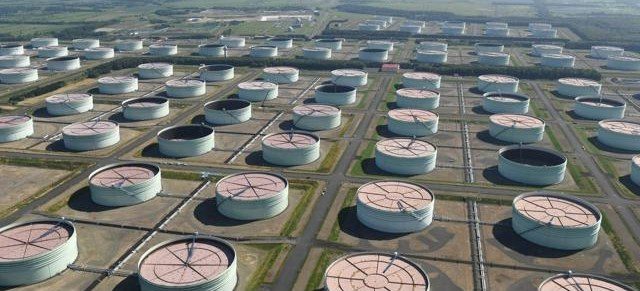
Takaichi will announce new cooperation measures with Southeast Asian countries at the summit of the Asia Zero Emission Community, or AZEC, according to the Asahi Shimbun. Support for joint stockpiling is among them, and one option under consideration would use surplus tanks in Japan.
The plan took shape after the Hormuz crisis, which began with US and Israeli attacks on Iran. Southeast Asian governments now treat stronger oil reserves as urgent, and a joint stockpiling plan is taking shape there.
Why Japan is offering its tanks
Japan keeps a set level of oil in reserve at home, a lesson from past oil crises. Many Southeast Asian countries have no comparable system.
The region is also a supply base for products Japan depends on, including medical goods. A disruption to energy supplies there could reach Japan's own supply chains.
The government sees help with stockpiling as a contribution to Japan's economic security as well. Lending storage capacity gives Tokyo a role in the region's fuel security without exporting a barrel of crude.
“The direction of promoting joint stockpiling in Asia can be highly praised.”Tsuyoshi Matsuo, representative of the Institute of Energy Economics, Japan, writing in an expert view for the Asahi Shimbun
Matsuo noted that the government support announced in April combined financial cooperation for procuring crude oil and petroleum products with help on stockpiling systems and tank construction. He called the new policy a step toward putting that into practice.