
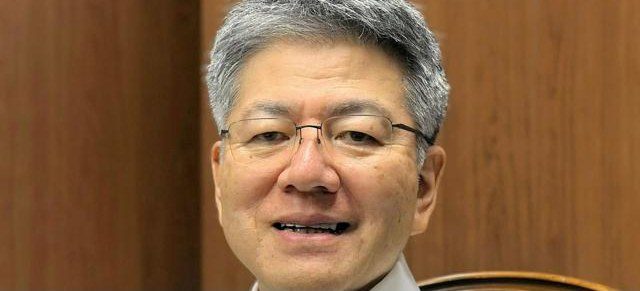
Beijing's branding of Japan as a "new militarist" is meant to place Tokyo alongside wartime Japan and cast China as the defender of the postwar order, Akio Takahara, a specially appointed visiting professor at Tokyo Woman's Christian University, told the Asahi Shimbun.
Chinese statements aimed at Japan have stood out as ties between the two countries have tightened, including calls to avoid travel to a "dangerous Japan." Takahara, who studies Chinese politics, said the intent behind the label may be serious.
A label tied to the postwar order
The first aim is to position present-day Japan as the same country as the militarist Japan of World War II, Takahara said. The key, he added, is the accompanying claim that Japan is challenging the international order.
“Japan is the one trying to change the postwar international order, and we, who are protecting the original postwar international order, hold justice. It looks like they are justifying what they are about to do in that way.”Akio Takahara, specially appointed visiting professor, Tokyo Woman's Christian University
Under the Cairo and Potsdam declarations, Japan's sovereignty was to be limited to its four main islands and smaller islands the Allies decided, leaving Okinawa's international status unclear for a time. For Japan, the postwar order was set by the San Francisco peace treaty signed in 1951.
Shigeru Yoshida, a former prime minister, and others won acceptance from the US and Britain that residual sovereignty over Okinawa remained with Japan. The US returned administrative rights over Okinawa to Japan in 1972.
China has said repeatedly that it did not sign the San Francisco treaty. The Chinese government has never raised the matter officially, but in recent years researchers under the Communist Party's propaganda apparatus have argued that Okinawa's status is undetermined.
Taiwan and the claim of justice
On Taiwan, the end of the civil war in 1949 left separate governments facing each other across the strait. China wants to say this is not the postwar international order as it should be, Takahara said.
By framing Taiwanese independence and Japanese militarism as challenges to that order, Beijing appeals to the US and the world that justice lies with its pursuit of unification, he said.