
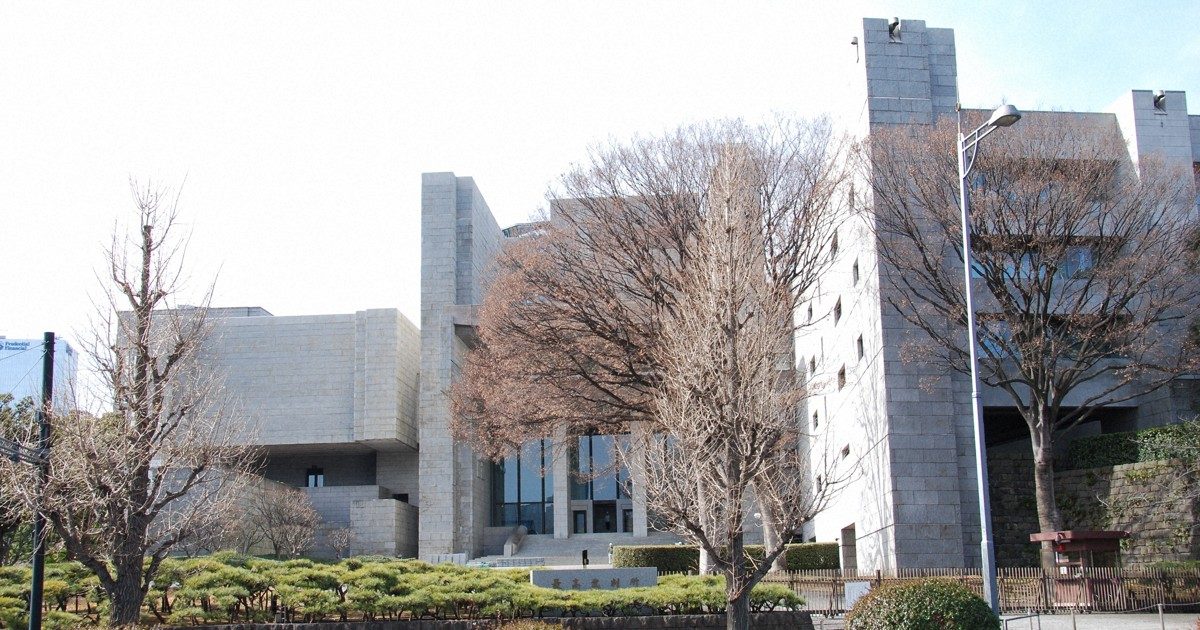
The Supreme Court's Grand Bench, led by Chief Justice Yukio Imasaki, will rule on whether a Public Offices Election Act provision that bars prisoners from voting violates the Constitution's guarantee of elections, the Mainichi Shimbun reported.
The ruling is due on the 18th. Lower courts have split on the same question, and the top court is expected to settle it. The decision will weigh the vote as the foundation of democracy against the demands of legal order and punishment.
The election law bans voting by death-row inmates and by prisoners whose terms of imprisonment have been finalized, regardless of the crime. Imprisonment was created in June 2025, when a revised Penal Code merged prison terms with and without hard labor. The change shifted the focus of punishment from chastisement toward rehabilitation.
People awaiting trial and defendants not yet convicted can still vote. So can those given suspended sentences.
The plaintiff
The plaintiff is Kentaro Yagibashi, 40, whose seven-year prison term for fraud was finalized in 2019 and who has since completed it. He is seeking 30,000 yen in damages from the state, saying he suffered mental distress after being unable to vote in two national elections while serving his sentence.
Split rulings
The Tokyo District Court ruled in July 2023 that the restriction was constitutional. Compared with people given fines or suspended sentences, prisoners have done greater harm to the legal order, so the limit is reasonable, it said, and dismissed Yagibashi's claim.
The Tokyo High Court upheld that decision in March 2024. Prisoners lack a sense of norms, or have a sharply weakened one, and are suspected of lacking the qualification to take part in elections, it said.