
Japan's revised three security documents will carry greatly expanded language on intelligence gathering and analysis, with the Self-Defense Forces joining police foreign-affairs units in that role, The Asahi Shimbun reported.
The government plans to revise the three documents — the National Security Strategy, the National Defense Strategy and the Defense Buildup Program — by the end of the year. The expansion is one of the areas Prime Minister Sanae Takaichi is pushing. Concerns have also emerged that broader activity of this kind could lead to surveillance of the public and control of speech.
AI, drones and cyber
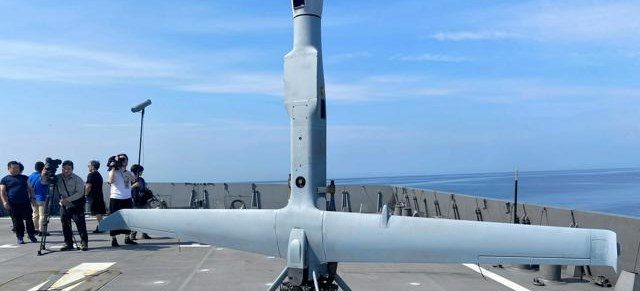
According to government officials, the Self-Defense Forces will expand intelligence collection and analysis using artificial intelligence and drones. The documents will also push faster data-sharing in the cyber field, and related passages are expected to grow.
As part of preparing for information warfare, the government also plans to build a mechanism to counter disinformation spread by other countries.