
Fewer than two dozen municipalities have applied to a regional revitalization strategy the government of Prime Minister Sanae Takaichi has made a pillar of its economic policy, despite the program being aimed at them. The government has received 21 applications, the Asahi Shimbun reported.
The strategy promises to "build a strong economic foundation across the country" and asks every municipality to submit a plan for revitalizing its local industry. Japan has more than 1,700 municipalities.
Takaichi has placed the strategy among the pillars of her economic policy and is pushing hard to get towns involved.
A push from the prime minister's office
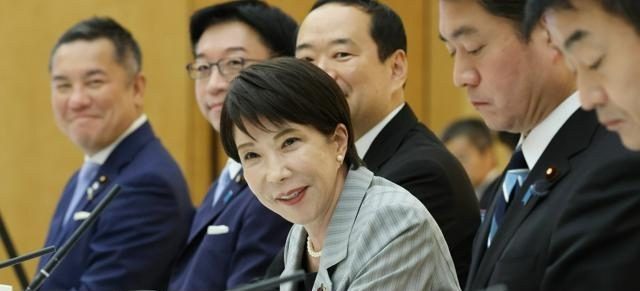
“Strengthen the support system that accompanies municipalities so that many local governments can formulate local industry growth plans.”Sanae Takaichi, prime minister, at a meeting on the strategy at the Prime Minister's Office on Oct. 30
Takaichi issued the instruction to assembled cabinet ministers at the meeting, according to the Asahi Shimbun.
The strategy traces its lineage to the "regional revitalization" (chihō sōsei) program the government of then-Prime Minister Shinzo Abe launched in 2014. Successive administrations have carried the idea forward under different names.
Takaichi's version is a rebranding of "Regional Revitalization 2.0," put forward under former Prime Minister Shigeru Ishiba, with a focus on stimulating local economies.
Clusters and 17 strategic fields
The current plan runs through fiscal 2030. Its blueprint centers on building industrial clusters in 17 "strategic fields," including artificial intelligence and semiconductors, with the aim of creating jobs by developing local industry and halting population decline in the regions.
The low number of applications suggests the program has yet to reach the governments it is meant to serve. The government is now working to shore up participation.