
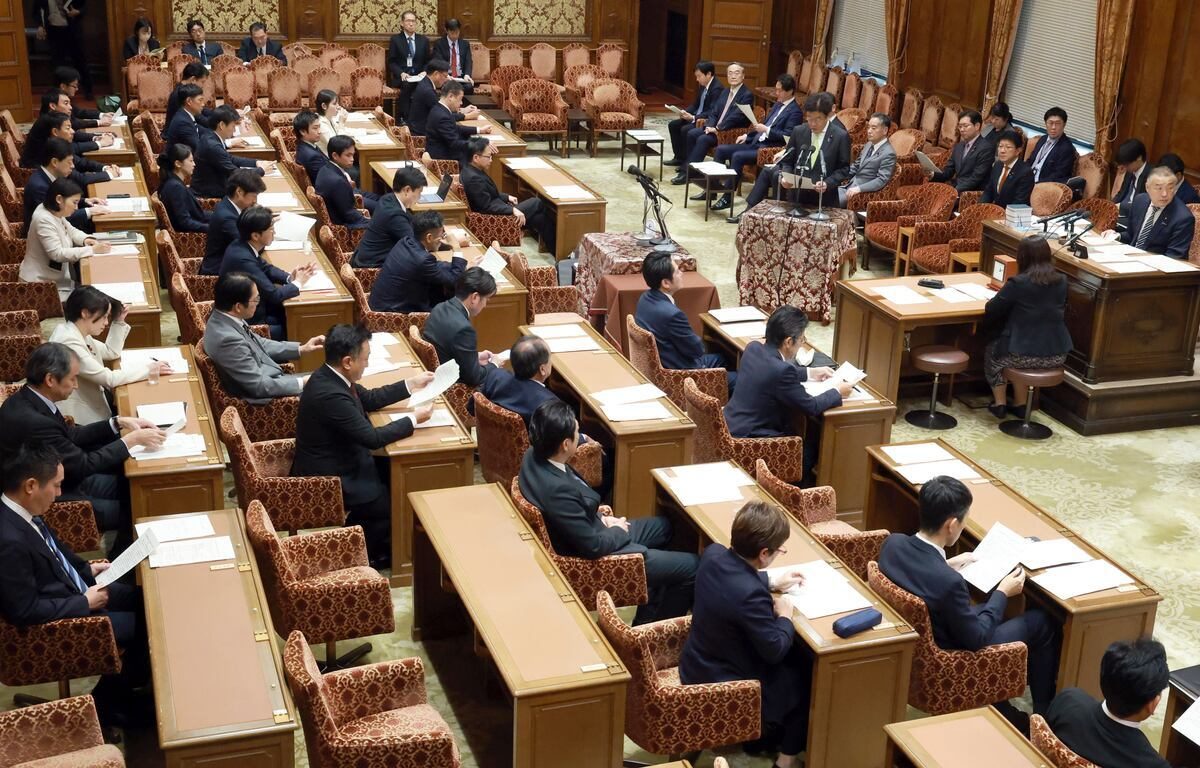
A bill cutting 31 proportional-representation seats in the Lower House entered committee deliberation on the 17th, with the ruling coalition aiming to push it through the chamber within the month and into law by the session's end on December 12.
The bill was jointly submitted by the Liberal Democratic Party, Nippon Ishin no Kai and the Democratic Party for the People, the Sankei Shimbun reported. It would cut proportional seats from 176 to 145.
The LDP and Ishin had initially pushed for a cut of 45. They proposed 31 as a compromise after opposition pushback, and the DPFP agreed to it as a stopgap until a full overhaul of the electoral system.
Method change and merged blocs
The bill would replace the current D'Hondt method of allocating proportional seats with a modified Sainte-Laguë method. The change makes it easier for small and mid-sized parties to win seats, reducing the advantage large parties draw from the current formula.
It would also merge the Chugoku and Shikoku proportional blocs, two of the country's 11, leaving 10. The bill tightens the criteria by which candidates who run in both a single-seat district and the proportional list can return to the Diet after losing their district.
The ruling coalition withdrew a separate bill cutting 45 proportional seats. That bill had been submitted to the previous extraordinary Diet session and carried over for continued deliberation.
Upper House arithmetic
The coalition is in the minority in the Upper House. With the DPFP's support it now has a path to a majority there, clearing the way for the bill to pass during the current session.
Opposition parties other than the DPFP oppose the bill. Its progress could affect a bill tied to a consumption tax cut now under deliberation in the Upper House.