
The Liberal Democratic Party, Nippon Ishin no Kai and the Democratic Party for the People agreed on a bill on the 9th to cut 31 proportional representation seats and change how those seats are allocated, with enactment envisaged within 2027.
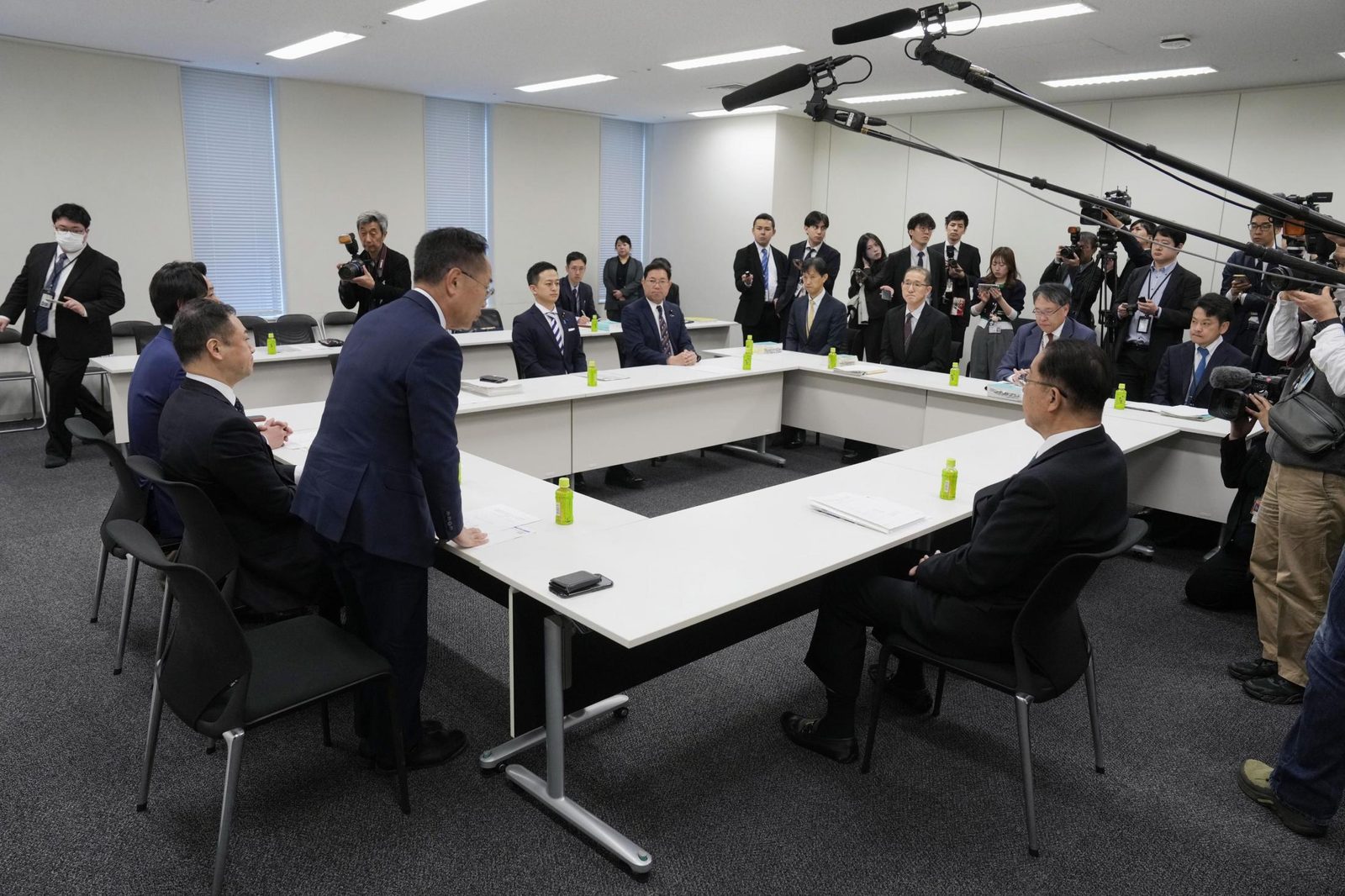
The three parties reached the agreement at a working-level meeting on reforming the Lower House electoral system. The LDP approved the bill at a party division meeting. After each party completes its own procedures, the bill is expected to be jointly submitted within the week, with passage in the current Diet session as the goal.
Together the three parties hold majorities in both the Lower House and the Upper House.
A stopgap measure
The bill positions itself as an interim measure until a conclusion is reached on fundamental reform of the electoral system. The 31-seat cut to proportional representation is based on projections of Japan's declining population.
The effective date would be the same as that of a bill to revise the Public Offices Election Act, which includes redrawn district boundaries aimed at correcting the disparity in the weight of votes between single-seat districts. Enactment within 2027 is envisaged.
Allocation change and merged blocs
Proportional seats would be allocated under a modified Sainte-Laguë method instead of the current D'Hondt method. The change makes it easier for small and medium-sized parties to win seats.
The bill also merges the Chugoku and Shikoku proportional blocs. It raises the minimum share of the vote needed for a defeated candidate to return to the Diet through proportional representation, from one-tenth of all valid votes to one-sixth.
If a party wins more proportional seats than it has candidates to fill, the seats would remain vacant.
Single-name list put off
On the single-name proportional list system the parties aim to introduce, the bill states only that "necessary legislative measures will be taken." The concrete design of the system has been left for later.