
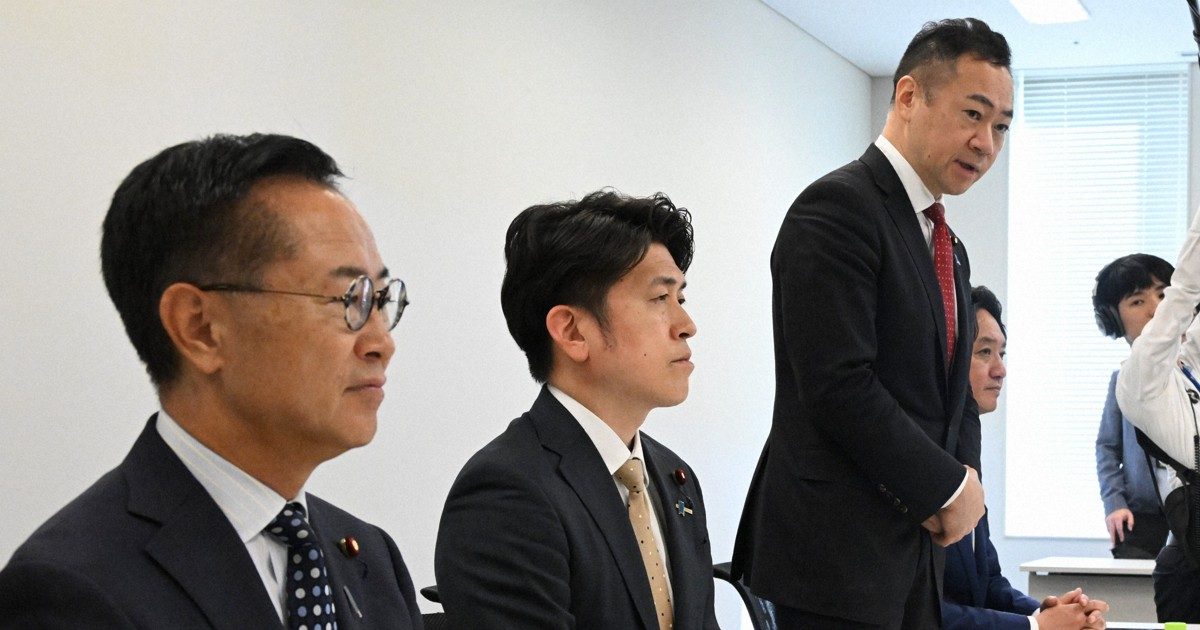
The Liberal Democratic Party, its coalition partner Nippon Ishin no Kai and the Democratic Party for the People said on Oct 28 that they would support an LDP proposal to cut 31 seats from the proportional representation bloc in the House of Representatives, the lower chamber of the Diet. The three parties announced their agreement as talks on overhauling the electoral system continued.
The Mainichi Shimbun first reported the agreement. The three parties now plan to move toward submitting a bill to the Diet, though the details of that work were not settled as of Oct 28.
What the cut would change
Japan's lower house currently has 465 seats. Of those, 289 are elected in single-member districts and 176 through proportional representation, where voters pick a party and seats are allotted by share of the vote. Cutting 31 proportional seats would reduce that bloc to 145.
The 31-seat cut has been the central demand in the debate. Nippon Ishin no Kai has pushed for a reduction in the size of the lower house, while the LDP has moved more slowly, with some in the party arguing that tax cuts should come first.
A compromise that reshapes the map
The LDP floated a compromise in October that would redraw how proportional seats are allocated, an approach reported as the "Sanragu method." Opposition parties responded cautiously when the proposal was presented at talks among nine ruling and opposition parties on Oct 20.
Ishin's Fumitaka Fujita voiced frustration with the opposition's handling of the seat-cut talks on Sept 30, saying, "I think it's ridiculous." The remark was reported at the time.
The agreement among the three parties does not by itself change the law. A bill still has to be drafted and passed, and the opposition parties outside the agreement have yet to sign on to the 31-seat figure.
Why the proportional bloc matters
Proportional seats are awarded to parties in rough proportion to their national vote, which tends to help smaller parties that cannot win many single-member districts. Shrinking the bloc would reduce the total number of lower house members and shift the balance toward district winners, who are most often LDP lawmakers.
The three parties backing the plan hold a combined majority large enough to pass a bill in the lower house if they stay together. Whether the proposal clears the upper house, where the coalition's position is weaker, remains open.