
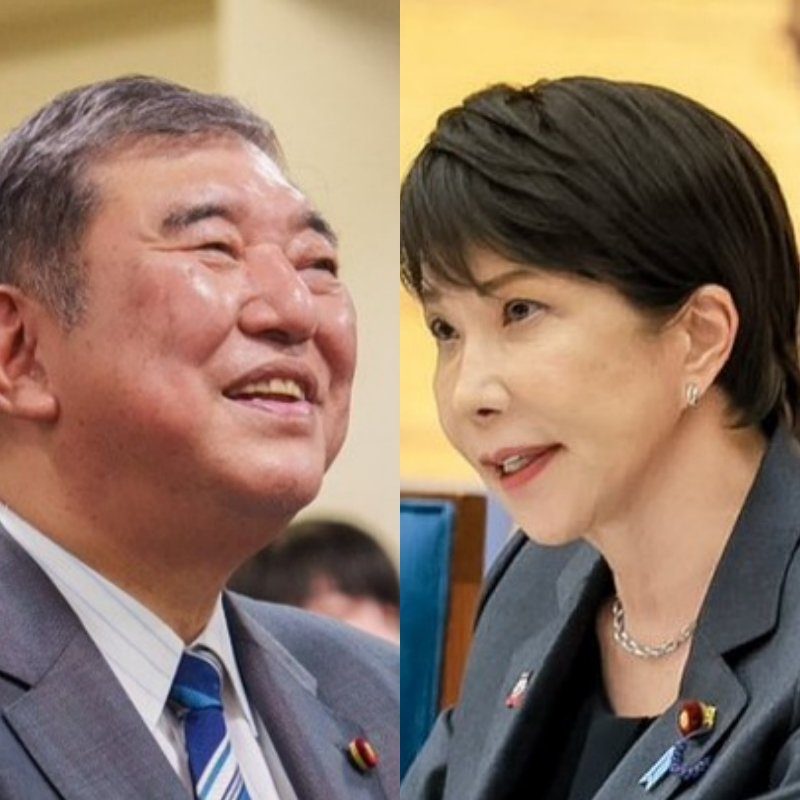
The Liberal Democratic Party has decided to reprimand former Prime Minister Shigeru Ishiba and three other LDP lawmakers who left the chamber just before a Lower House vote on a consumption tax cut bill, a punishment without precedent for a former leader of the party.
The bill cleared the Lower House plenary session on November 6 with support from the LDP and Nippon Ishin no Kai. The four walked out before the ballot was taken.
A walkout over the funding
Ishiba told reporters he could not vote for the bill because its funding was not clear. "The funding source is not clear, and it damages the finances. I cannot dispel those concerns," he said.
He had told people around him, "I cannot approve of something like this," the Asahi Shimbun reported.
The others who left were Yuko Obuchi, a former economy, trade and industry minister; Yoshihisa Furukawa, deputy chairman of the party's tax research commission; and Hajime Funada, a former director general of the Economic Planning Agency.
Obuchi had long opposed cutting the consumption tax. She resigned from an informal group of senior members of the tax commission at the end of July.
What the bill does
The bill, a priority for Prime Minister Sanae Takaichi, cuts the consumption tax rate on food from 8% to 1% for two years from April 2027.
From fiscal 2027 it also brings in an employment cost relief grant funded by the 1% consumption tax on food and drink, before full introduction in fiscal 2029.
The funding is described only as being secured through a review of spending and revenue across the board, without relying on special deficit-covering bonds, a national paper's political desk reporter said.
The reporter said the targets and amounts of the relief grant are hard to call clear, and there is doubt over whether the rate can be restored two years later.
“The law does not take the form of a law. I have held a seat for 15 years, and I do not remember a bill like this going as far as a vote in the Diet.”Komeito leader Toshimitsu Motegi, quoted by the political desk reporter
No sign of a repeat in the Upper House
An LDP Upper House member said the four left largely out of their own view of the public finances. They were protesting the risk the cut poses to Japan's finances, the member said.
The member saw no mood in the Upper House for a similar revolt, and judged the episode unlikely to grow into a political crisis.
The same reporter said the government keeps saying it will not issue deficit bonds, but has little to offer beyond drawing down unused funds and using foreign exchange special account surpluses.
That approach runs down assets while liabilities stay, the reporter said, leaving it little different from funding the budget with debt.
The government has kept its wording vague and put off the funding debate, the reporter said, apparently out of concern for the effect on markets.