
The consumption tax cut bill at the center of the current Diet session enters Upper House debate on the 11th, with the ruling bloc short of a majority and four LDP lawmakers already having abstained in the Lower House.
In the Lower House vote on the 6th, four lawmakers abstained, including former Prime Minister Shigeru Ishiba and former election strategy chief Yuko Obuchi. The bill passed because the ruling coalition holds three-quarters of Lower House seats.
In the Upper House the coalition is four seats short of a majority, so a single abstention could decide whether the bill survives, the Sankei Shimbun reported.
Discipline and discontent
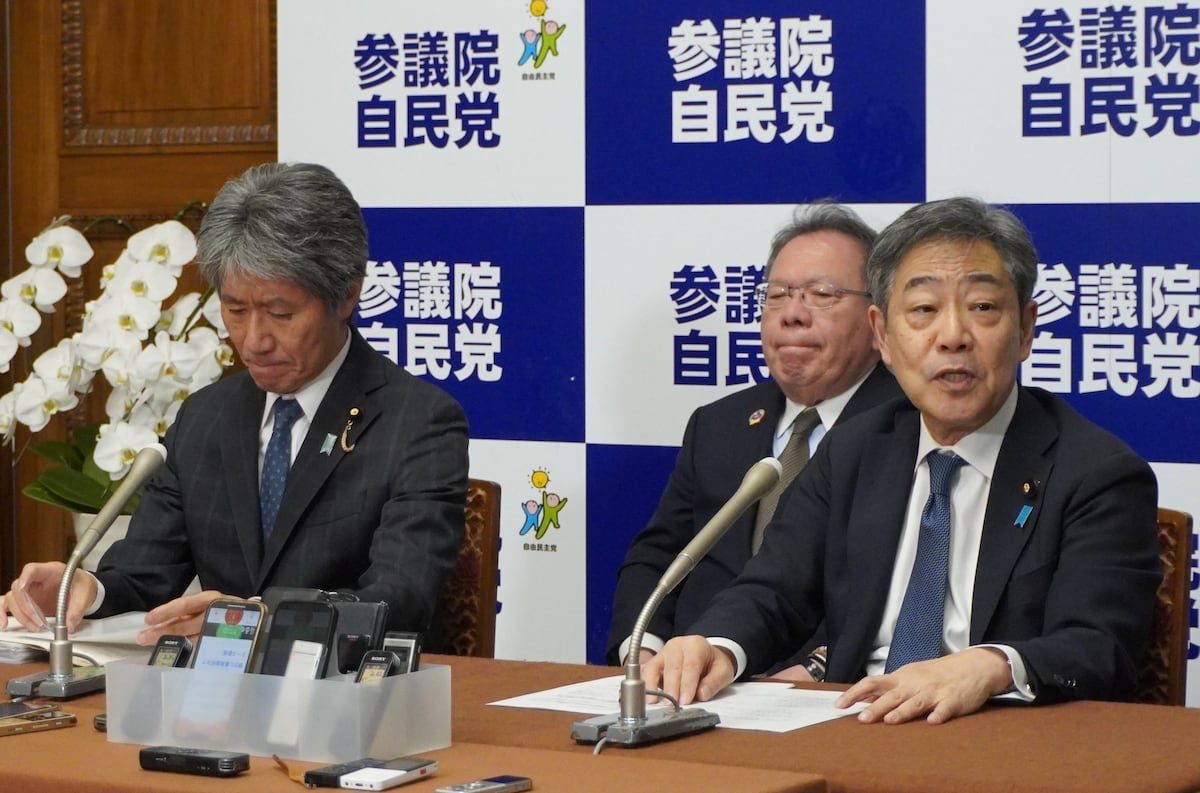
LDP Upper House secretary-general Kazuhiko Aoki told a news conference on the 10th that he was confident no such revolt would occur in his chamber. "But if one did, it would be a serious matter. We will act, including on preventive measures," he said.
Upper House party executives had called for heavy penalties against the four, arguing that discipline was needed. On the 9th the party leadership handed them a formal reprimand, the second-lightest of eight disciplinary grades under party rules.
Secretary-General Shunichi Suzuki called the reprimand "the most appropriate" step, citing precedent. A mid-ranking LDP lawmaker was not satisfied. "It should have been heavier. A vote in the Upper House carries different weight," the lawmaker said.
Courting Komeito and the DPFP
Alongside party discipline, the LDP is working to assemble a majority. The Japanese Conservative Party, which holds two Upper House seats, has said it will back the bill.
The party plans to close the remaining two-seat gap by bringing in independents, a fragile plan given the Lower House revolt.
A stable majority depends on support from Komeito and the Democratic Party for the People, both of which are open to negotiation. Komeito has set a more generous income-linked benefit program as one condition for backing the bill.
That condition is seen as easier to concede than the DPFP's demand for a resident tax cut. An LDP Upper House executive, looking ahead to amendment talks with Komeito, said the party would "keep working so that they can accept it."