
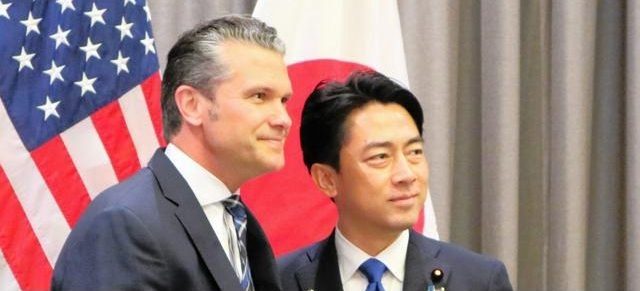
Defense Minister Shinjiro Koizumi has begun using a new term, "denial capability," as he pushes to strengthen Japan's defenses. The government is also considering including it in the revision of three security-related documents due by the end of the year. But multiple government officials say the basic policy has not changed, and the definition, including how it differs from deterrence, is still being worked out.
Some in the ruling party are unconvinced. They see the phrase as wordplay, according to the Asahi Shimbun.
"It plainly expresses what our country's defense capability aims for. We must have the power to deny threats that reach us," Koizumi said at a House of Councillors Foreign Affairs and Defense Committee session on Wednesday, answering a Constitutional Democratic Party lawmaker who asked what "defense capability that denies" means.
An old idea under a new name
Denial capability is described as the power to make an opponent think twice about attacking by having the ability to stop them. Japan's policy has long rested on what is called "denial deterrence" — convincing an adversary that an attack would not succeed.
According to a government official, the idea of using "denial capability" emerged in October when Koizumi, uniformed senior officers and others met to discuss the three security documents.
Defense Ministry officials stress that adopting the phrase does not change the long-standing policy of building deterrence on the basis of exclusively defense-oriented policy. One ministry official said the reason for using new language is "one of his commitments to clarity," referring to Koizumi's emphasis on making policy easy to understand.