
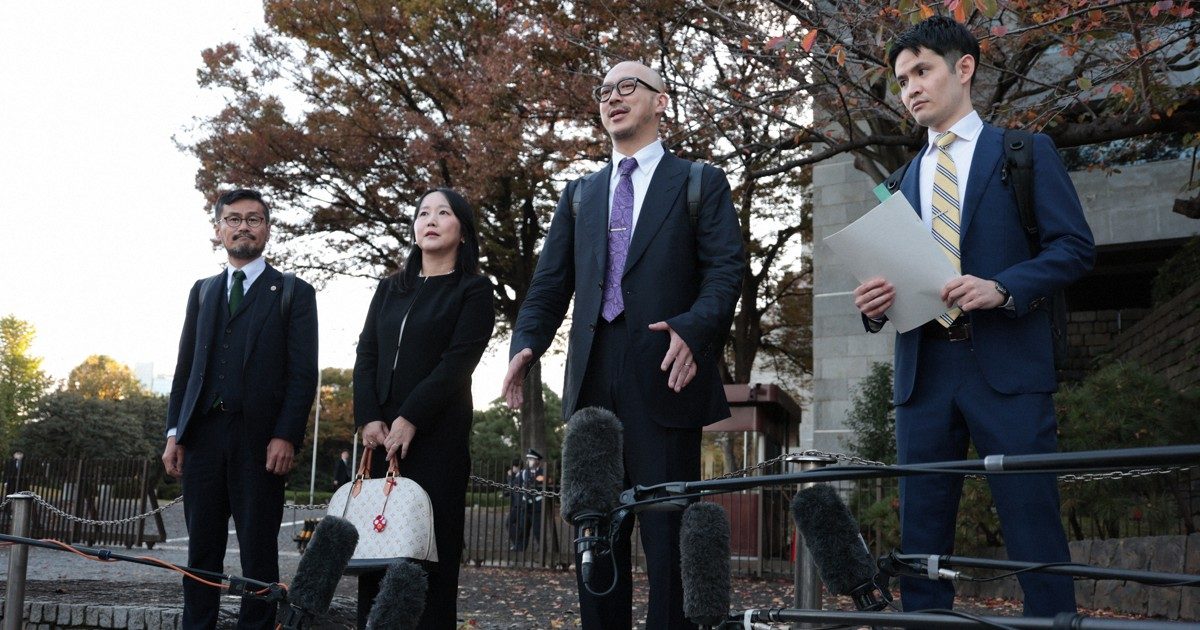
Japan's Supreme Court Grand Bench ruled on the 18th that the Public Offices Election Act provision stripping prisoners of the vote does not immediately violate the Constitution, the first unified judgment of its kind, the Mainichi Shimbun reported, with 9 of 15 justices finding it constitutional and 6 finding it unconstitutional.
The Grand Bench, presided over by Chief Justice Yukihiko Imazaki, called on the public and the Diet as a whole to deepen debate on the issue.
Justices split on public sentiment
The law bans death-row inmates and prisoners whose sentences of imprisonment — a category that merged penal servitude and confinement — have been finalized from voting, regardless of the crime or the length of the term.
The majority opinion, written by Imazaki and the other justices in the majority, said restrictions on prisoners "have been accepted by the majority of the public without a sense of incongruity."
The court acknowledged that international trends run against restricting prisoners' voting rights. But it found no evidence of sufficient debate in the Diet or among the public, and said domestic thinking has not changed.
At the same time, the majority said it could not deny that a blanket ban on all voting, regardless of the type of crime or individual circumstances, "is approaching a situation in which some form of review is called for."
The six justices in the minority, including Justice Ryosuke Yasunami, a career judge, took the opposing view.
A law that bans the ballot outright
Under the Public Offices Election Act, prisoners serving finalized sentences of imprisonment, along with death-row inmates, are barred from voting. The restriction applies uniformly, with no distinction by offense or term.