
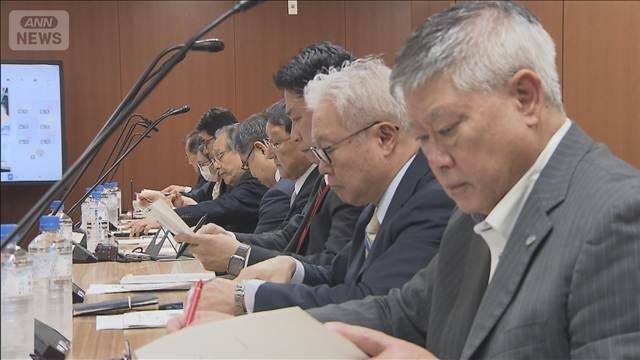
Japan's transport ministry has begun discussing the future of the trunk rail lines that carry limited expresses and freight trains, as shrinking and ageing populations make the network harder to sustain, with a direction to be set by next summer.
Next year marks 40 years since the Japanese National Railways was privatised, and the conditions around the rail network have changed greatly.
JR Hokkaido is in the red, and keeping eight of its line sections running on its own has become difficult. Those sections include trunk routes used by limited expresses and freight trains.
Ministry Meets Experts and JR Companies
The Ministry of Land, Infrastructure, Transport and Tourism is discussing what the trunk network should look like, bringing together experts and the JR companies.
“For trunk lines too, the state needs to ask what counts as the core rail network, and the places that are not will still have a role, so what role is that? Forty years after the JNR reform, we want to look back at the thinking behind it in light of changes in the social and economic situation, and consider once more what the rail network ought to be.”Yasushi Takahashi, director of the railway business division, Ministry of Land, Infrastructure, Transport and Tourism
The discussions cover which lines should be kept, how costs should be shared and how funding should be secured.
If trunk lines that underpin daily life disappear, the question is how to secure ways for people and goods to move.
Regions face different circumstances. Whether a new transport network suited to each can be built is the test.