
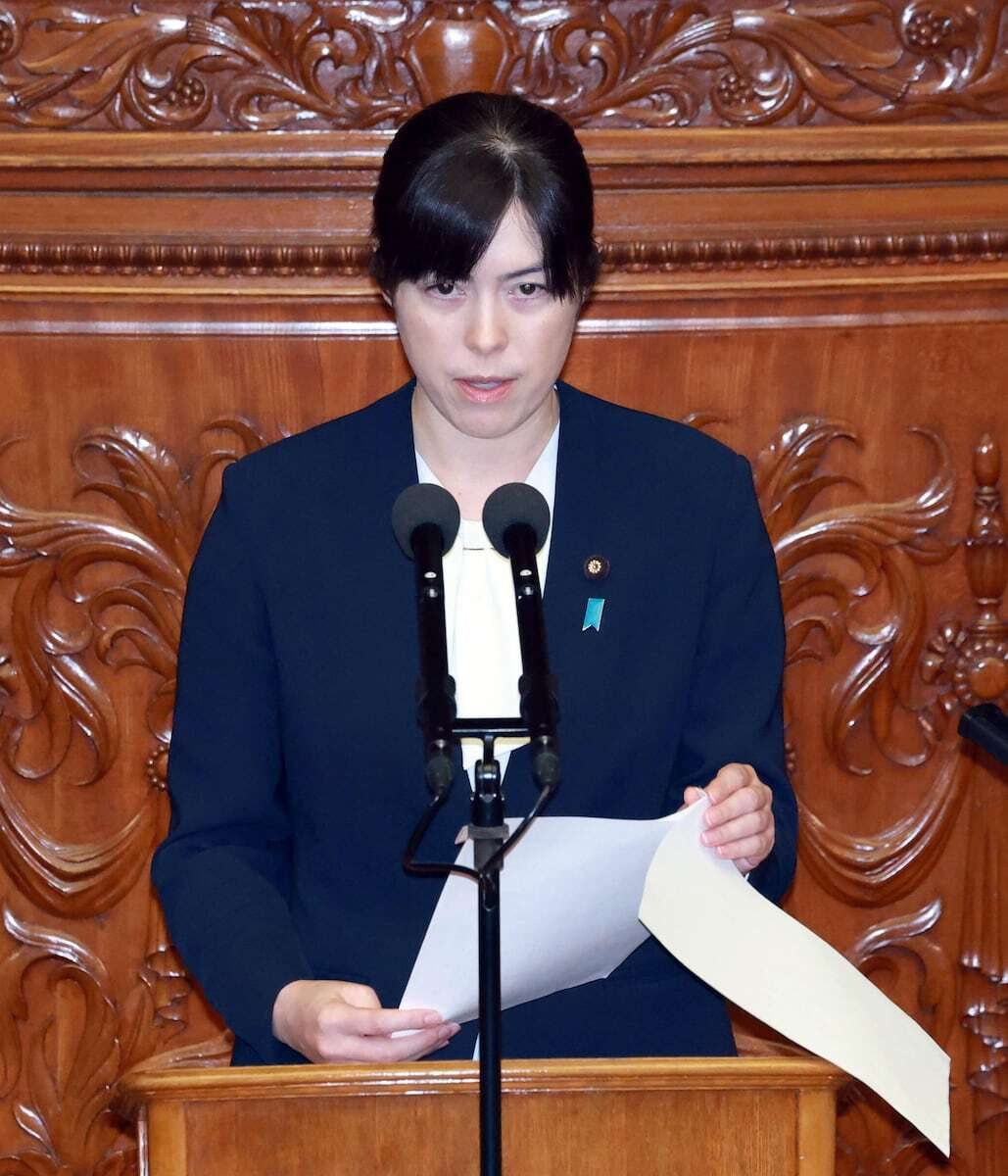
A bill to require state permission, regardless of nationality, for buying land and buildings near security-sensitive sites began debate in the Lower House on the 10th, with the government citing drone attacks as the reason.
Economic security minister Onoda Kimi told the chamber the aim is to stop land and buildings from being used as bases for drone attacks, the Sankei Shimbun reported.
Some opposition lawmakers accepted the security case but raised concerns about property rights and the effect on business activity.
"New ways of fighting"
In her explanation of the bill, Onoda said "new ways of fighting using drones" have emerged around the world and argued for controls at the point of purchase.
The current law allows the government to order a stop to improper use of land, but it cannot block a purchase in the first place.
The revision would designate areas within about 1 kilometer of defense-related facilities vulnerable to drone attack as "regulated zones", making state permission mandatory for land purchases there.
People linked to foreign governments or militaries would in principle be refused. Unauthorized transactions would carry up to 3 years in prison or a fine of up to 3 million yen.
Onoda said U.S. military personnel, as members of an allied force, could be granted permission as an exception.
Yamazaki Masayasu of Komeito asked in a party leaders' question why prior notification and tighter rules on use would not be enough, calling the permission system "one of the strongest forms of regulation".
No compensation from the state
Onoda replied that drones can be gathered secretly, making them hard to detect, and that prior notification and use restrictions "cannot respond sufficiently".
She said the zones were kept to about 1 kilometer around facilities partly out of consideration for the impact on economic activity.
Tsuchihashi Akihiro of Team Mirai asked about compensation in cases where a transaction is not approved.
Onoda said the rules would be limited to cases such as sales to parties that raise security concerns, and amount to the minimum burden landowners should accept. She said state purchase or compensation would not be necessary.
The Lower House also began debate on a bill requiring disclosure of the people who effectively control corporations.