
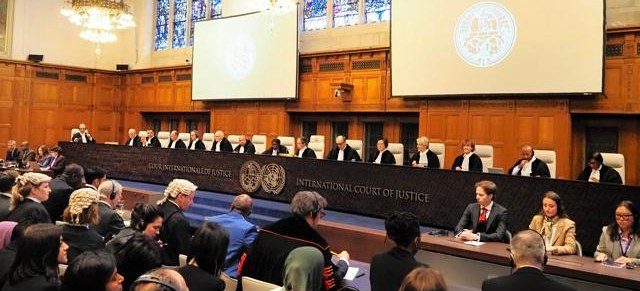
The International Court of Justice ruled on the 19th that Myanmar committed genocide against its Rohingya Muslim minority, ordering the military government to pass legislation and open investigations to meet its obligations under the genocide convention.
The case was brought against Myanmar by Gambia, acting on behalf of Islamic countries. The court sits in The Hague in the Netherlands.
Presiding Judge Yuji Iwasawa found that Myanmar's acts met the requirements of genocide under the 1948 convention. These include killing, serious bodily or mental harm, and measures to prevent births.
He said the Rohingya are a protected group under the treaty, and that there was an intent to destroy a substantial part of it. Nine of the 15 judges backed the genocide finding, the Asahi Shimbun reported.
Intent at the center
The central question was whether Myanmar held the intent to destroy the Rohingya as a group. The convention defines genocide as acts of killing committed with the intent to destroy a national, ethnic, racial or religious group, in whole or in part.
The ruling establishes the crime but does not by itself compel Myanmar to stop. The court has no police or military force to enforce its judgments, and the order to legislate and investigate rests with the government that carried out the campaign.