
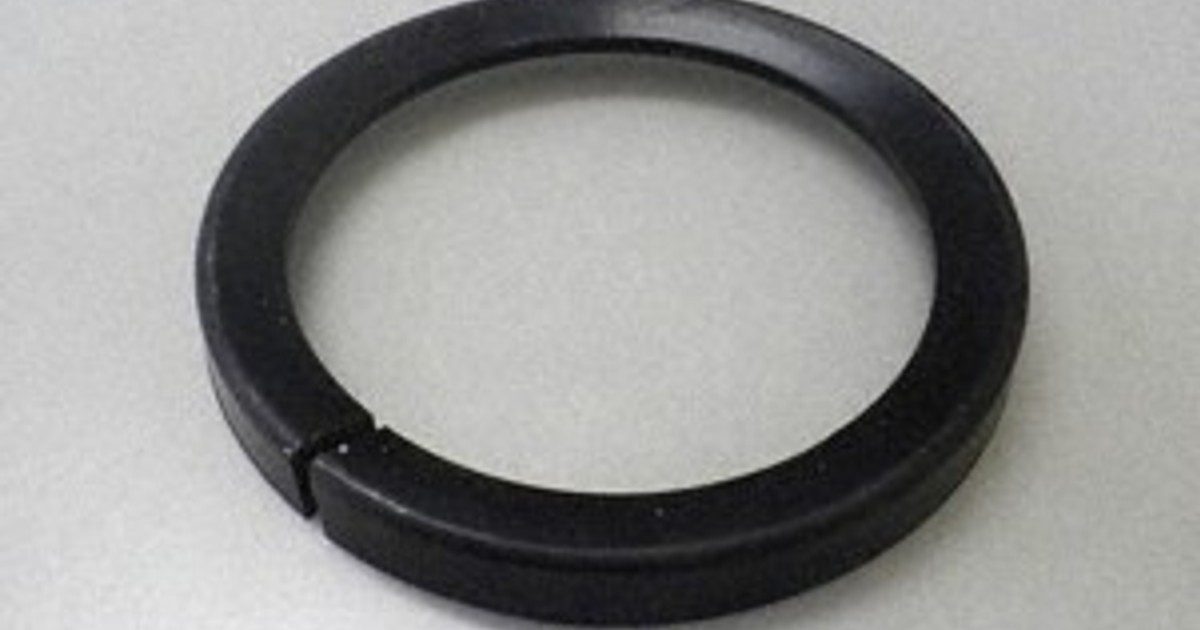
A silicone band left burning inside a tank's barrel caused the round that killed three soldiers and injured a fourth at a Ground Self-Defense Force training ground in Oita Prefecture in April, the GSDF said on November 19, but it declined to say who should answer for the accident.
The Mainichi Shimbun reported that the GSDF identified the cause as residue from the previous shot. A rubber band on the third round failed to burn away and stayed inside the barrel at several hundred degrees.
The fourth round was damaged as it was loaded and touched the hot residue, igniting its propellant. The stuck round also jutted from the barrel, so the breech block could not close fully, and the shell burst about 15 seconds after loading, blasting gas into the turret.
How the Type 10 fires
The accident occurred at about 8:40 a.m. on April 21 during live-fire training by the GSDF's Western Army Tank Unit. A 120-millimeter anti-tank high-explosive round burst inside the barrel.
Three crew members in the rotating turret, who handle firing from the top of the tank, were killed. A fourth soldier in the driver's seat below was seriously injured.
The Type 10 loads rounds stored in the turret into the barrel automatically by belt. A breech block then seals the barrel to keep the blast out of the turret, and the crew fires by pressing a button.
Six Type 10 tanks took part in the drill, and the accident vehicle had fired three rounds. The GSDF concluded from tests that the fourth round was damaged when it struck the breech block.
Log data and a partly unburned cartridge case, which would normally be consumed on a clean shot, showed the system detected that the breech had not closed. The shell burst before anyone pressed the firing button.
Two earlier cases went unreported
The GSDF questioned every tank unit and found two earlier cases at the GSDF Fuji School in Shizuoka Prefecture, in 2018 and before, where a band burned inside a Type 10 barrel and the breech failed to close. Neither round burst, the bands were removed, the rounds fired normally and no one was hurt, so neither was reported.
The Ground Staff Office, the GSDF's command headquarters, requires units to report equipment faults as "unsafe events."
The GSDF called the accident "an extremely rare case in which multiple events overlapped" and said it was "difficult to foresee." The rounds are license-built in Japan from a foreign design.
The ministry said the ammunition was made properly to Defense Ministry standards and that no facts casting doubt on its quality had been confirmed, making it "difficult to clarify where responsibility lies." On compensation claims, it said it would "refrain from answering with any preconceptions."
Type 10 and Type 90 tanks, which share the same round type, had suspended firing drills with the 120-millimeter anti-tank round. They will resume using armor-piercing and other rounds of different shape and material now that the investigation is complete.
The Type 10 is a domestically built tank adopted in 2010. As of the end of fiscal 2025 the GSDF held about 120 of them, including at the Kusu garrison in Oita Prefecture, a base for the Western Army Tank Unit, and in Hokkaido. It holds about 230 Type 90 tanks, mainly with units in Hokkaido.