
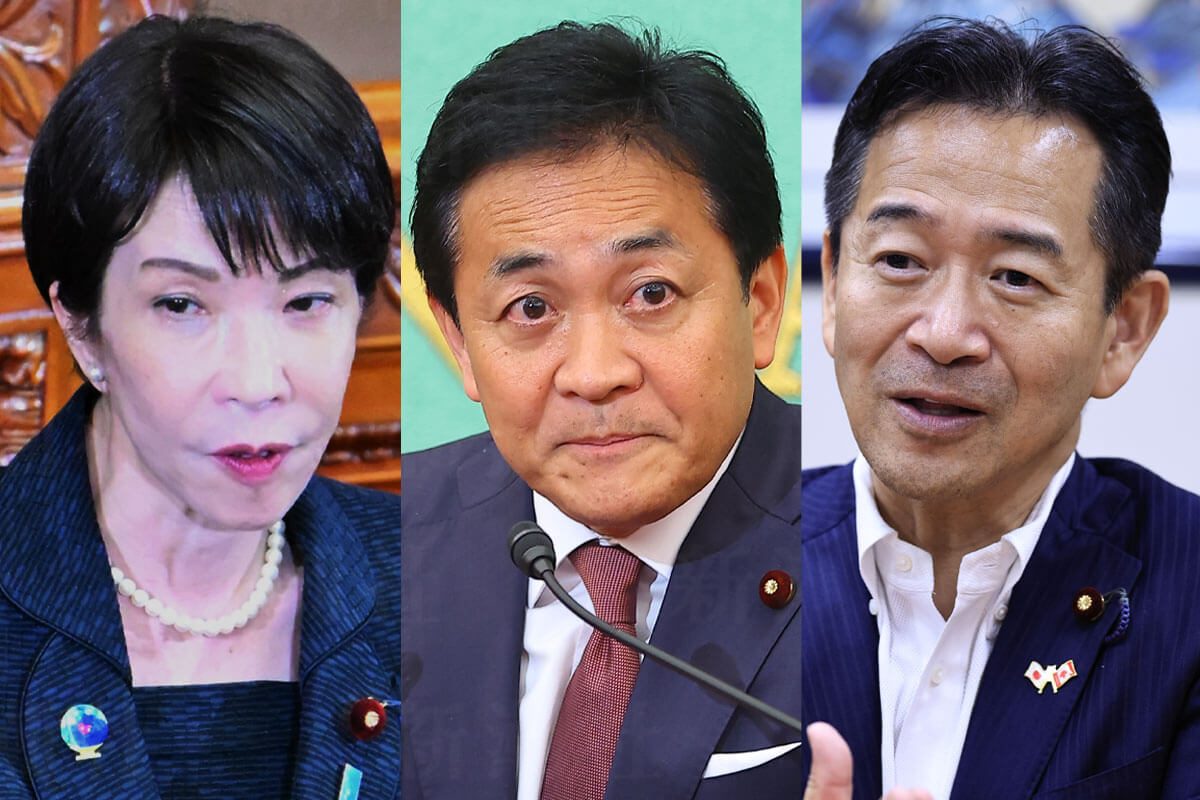
A bill cutting the consumption tax on food to 1% for two years from April 2027 passed the lower house on the 6th, sending the fight over the minority government's tax plan to the upper chamber.
The vote in the House of Representatives plenary session carried with support from the Liberal Democratic Party and Nippon Ishin no Kai among others. Every opposition party holding lower house seats voted against it.
The government and ruling parties are now working on opposition members in the House of Councillors, where they fall short of a majority.
PM sets scope of income-linked payments
Prime Minister Sanae Takaichi, speaking at the lower house Financial Affairs Committee before the vote, said the scope of the income-based support payments to accompany the cut had not been settled. She said the government would aim for recipients to make up at least around 30% of working earners, roughly the level seen in other countries.
On the income ceiling for eligibility, she said the ¥3.5 million figure the government uses as a reference point had not been fixed. "We are thinking somewhat more broadly," she said.
Four LDP members reprimanded for walkout
Four LDP members left the chamber before the lower house vote, among them former Prime Minister Shigeru Ishiba and former election strategy chief Yuko Obuchi. Policy chief Takayuki Kobayashi expressed regret, and the four were given official reprimands after the party demanded written explanations.
Attention now turns to the upper house. Yuichiro Tamaki, leader of the Democratic Party for the People, said he would keep negotiating hard while offering a resident tax cut as a counterproposal. "If our views are adopted and the bill's contents change, it is possible we would judge our position again at that point," he said.
Komeito leader Mitsunari Okamoto said his party's stance could shift if the debate convinced it of the overall picture and of market confidence. "As things stand, we are far from that," he said. He added that the government had approached his party about what to amend in the bill to win its support.
A political desk editor said both leaders had hinted they would swing behind the bill if it were amended. The ruling bloc can still assemble a majority in the upper house with backing from the Conservative Party of Japan and independent members, the editor said.
Komeito's position rests on its ties to Soka Gakkai, the lay Buddhist organization that is the party's main support base. "Soka Gakkai understands this well," the editor said.