
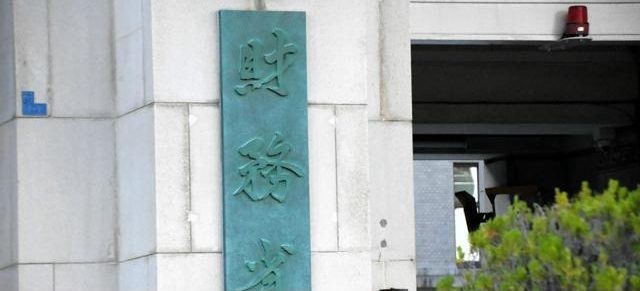
The Finance Ministry proposed on the 4th that elderly patients pay 30% of their medical costs at the counter, the same share as working-age people, in principle. The ministry made the case at a meeting of the Fiscal System Council, an advisory body to the finance minister.
The ruling parties, the Liberal Democratic Party and Nippon Ishin no Kai, plan to reach a conclusion on revising the counter charges within the year. The ministry's proposal signals it will hold to ability-to-pay contributions, scaled to income.
How the charges work now
Patients under 70 pay 30% at the counter. Those aged 70 to 74 pay 20%, and those 75 and over pay 10%, as a rule. People with income on par with working-age earners pay 30%, but at present they are only a portion of patients.
The LDP and Ishin aim to push through social security reform, including the elderly counter charges, to ease the burden on working-age people who support the system. Within the LDP, cautious views on applying the 30% principle to the elderly remain deeply rooted. The Ministry of Health, Labour and Welfare has floated finer-grained rates such as 15% and 25%.
The Finance Ministry argued for the 30% principle while accepting the premise that low-income patients must still be able to get the care they need. It also called for abolishing the special outpatient rule, which caps the amount patients aged 70 and over pay for outpatient visits.
Long-term care also in scope
Revision of the official prices paid for long-term care services is also a focus for the year. To curb growth in those payments, the ministry proposed widening the group of users who pay 20% of the cost of services themselves. It said the way users share costs should be examined to reflect their ability to pay more appropriately, taking into account financial income such as dividends on listed shares.