
The Disaster Management Agency, the command center set up to coordinate Japan's response to large-scale disasters, began work on November 2 by telling the public to prepare for itself. The agency issued an emergency request for households to stockpile supplies and harden their homes, and criticism followed the appeal to self-help.
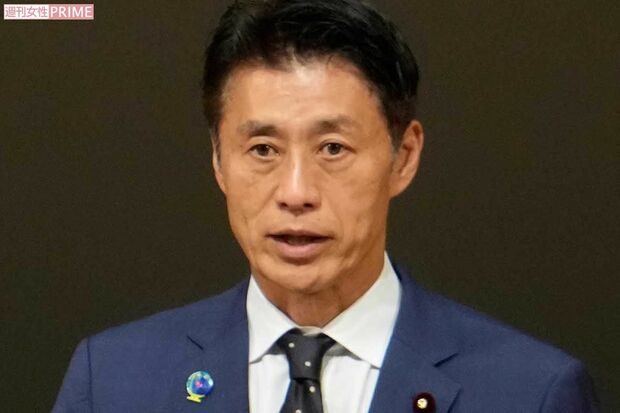
The agency was created to consolidate disaster work previously spread across ministries, and to strengthen the response to a Nankai Trough megaquake or a major quake directly under Tokyo. Its first minister, Goshi Hosono, said at a press conference that the agency would protect lives, bodies and property even in a national-level disaster and aim to make Japan the world's leading disaster-prepared nation.
He then set a limit on what the state would do. "First, the Disaster Management Agency will do everything it can to protect people's lives. But at the same time, I ask you to understand that the self-help part for each citizen remains," Hosono said, according to a political desk reporter at a national newspaper. The agency's official X account put it more bluntly: "In a national-level disaster, there are limits to what government alone can do."
A new agency's top official appealing to self-help immediately after taking office is unusual, the reporter said, and raising "limits" on day one struck a jarring note given public sentiment.
What the emergency request asks
The request calls on residents to earthquake-proof their homes, secure furniture, and stock water, food and portable toilets. It also asks them to check hazard maps and evacuation routes, prepare emergency grab bags, and take part in disaster drills. Water and food should last at least three days, and a week if possible.
Hosono also raised the prospect of a security crisis coinciding with a disaster. He said that during the 2011 earthquake and tsunami, a corner of his mind wondered what would happen if a military contingency struck Japan at that moment.
“At the time there was sympathy for Japan. There was an atmosphere in the world that you simply couldn't attack a weakened Japan. Nearly 16 years later, the world has changed greatly. There is now rather a possibility that they will strike there.”Goshi Hosono, Disaster Management minister
The agency's launch drew sharp reactions online, including to a promotional video, according to Weekly Josei Prime.