
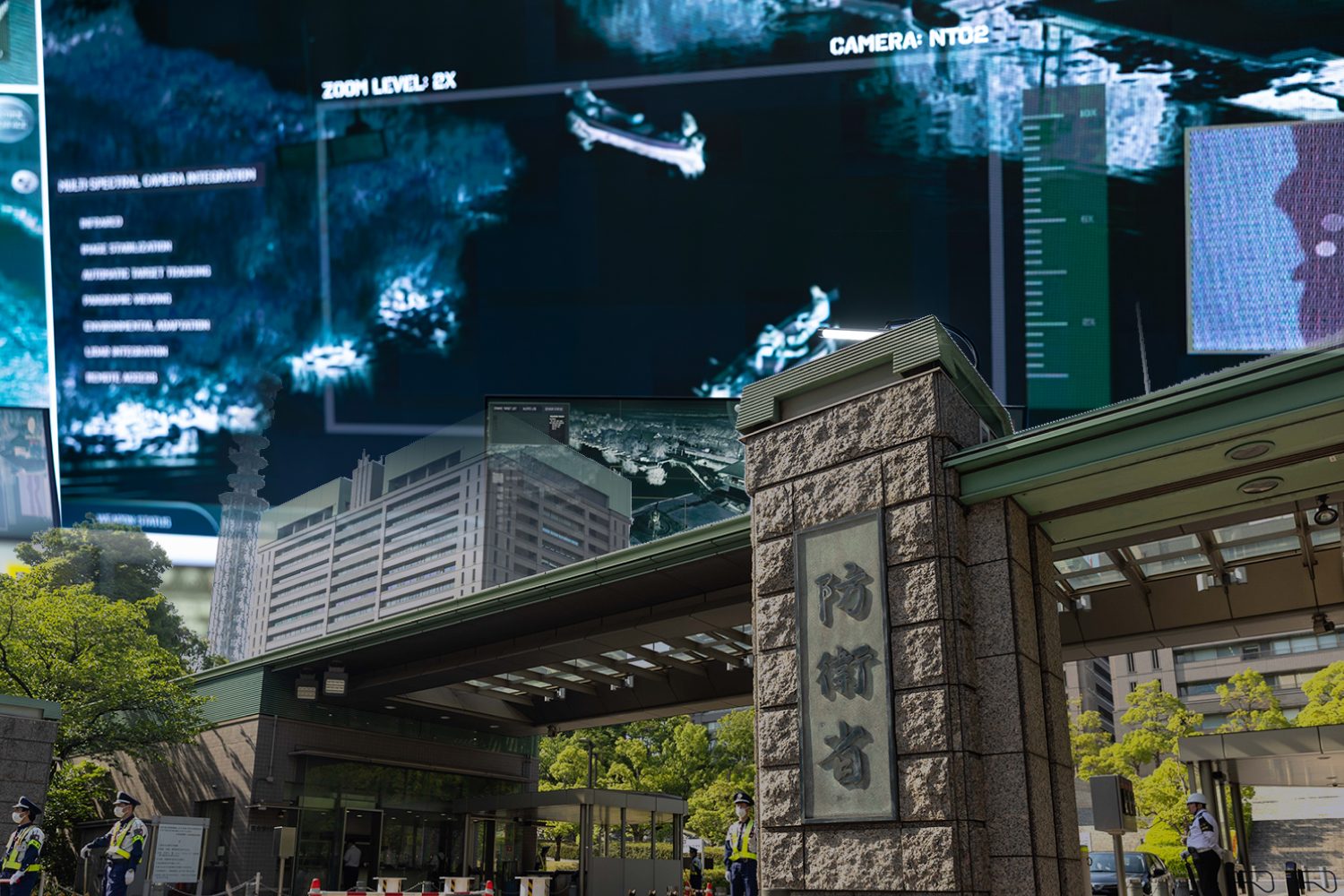
Japan's defense ministry received a record 560 applications for its fiscal 2026 security technology research fund, and 11 universities won grants for the first time, raising questions about how close academia should come to military research.
The ministry announced the selection results on October 20. The program, run by the Acquisition, Technology and Logistics Agency since fiscal 2015, is a competitive research fund that solicits advanced basic research expected to contribute to future defense development.
Applications rose sharply from 340 the previous year, and 47 projects were selected. Universities and other institutions submitted 291 of the applications. Nagoya University, Osaka University and Keio University were among the 11 universities receiving grants for the first time.
A newspaper warning and a minister's reply
The Asahi Shimbun ran an editorial on October 26 headlined "Record applications to defense ministry fund: the dangerous closing of universities and the military." It said the increase in applications from universities was cause for concern, citing the past mobilization of researchers for war.
Education Minister Yoshihiro Seki was asked about that concern at a news conference on October 27. He said decisions on how research is conducted at universities should be made voluntarily and independently, on each university's own responsibility.
Under that view, the shape of research at a university falls within university autonomy. Universities also carry a social duty to train capable people and return research results to society, and they receive taxpayer money in the form of various subsidies.
That position means university autonomy must be open and fair, not closed or authoritarian. Decisions should follow free, fair and transparent debate among those involved, under proper governance and compliance, and universities should explain both the content and the process to society to earn trust.
Review boards, and outright bans
The Science Council of Japan focused on the program in 2017. It issued a statement calling for a system to screen research that could be seen as military security research, judging its appropriateness on purpose, method and application from technical and ethical standpoints.
Some universities set up reviews of applications to the program in line with that statement. Others effectively ban applications altogether.
The council shifted position in 2022, holding that a strict line between military and civilian use — dual use — is difficult to draw. Since then, some universities have moved from bans to screening.
Each university's choice falls within its autonomy. Universities remain accountable for explaining whether those choices were made under open and fair self-governance.