
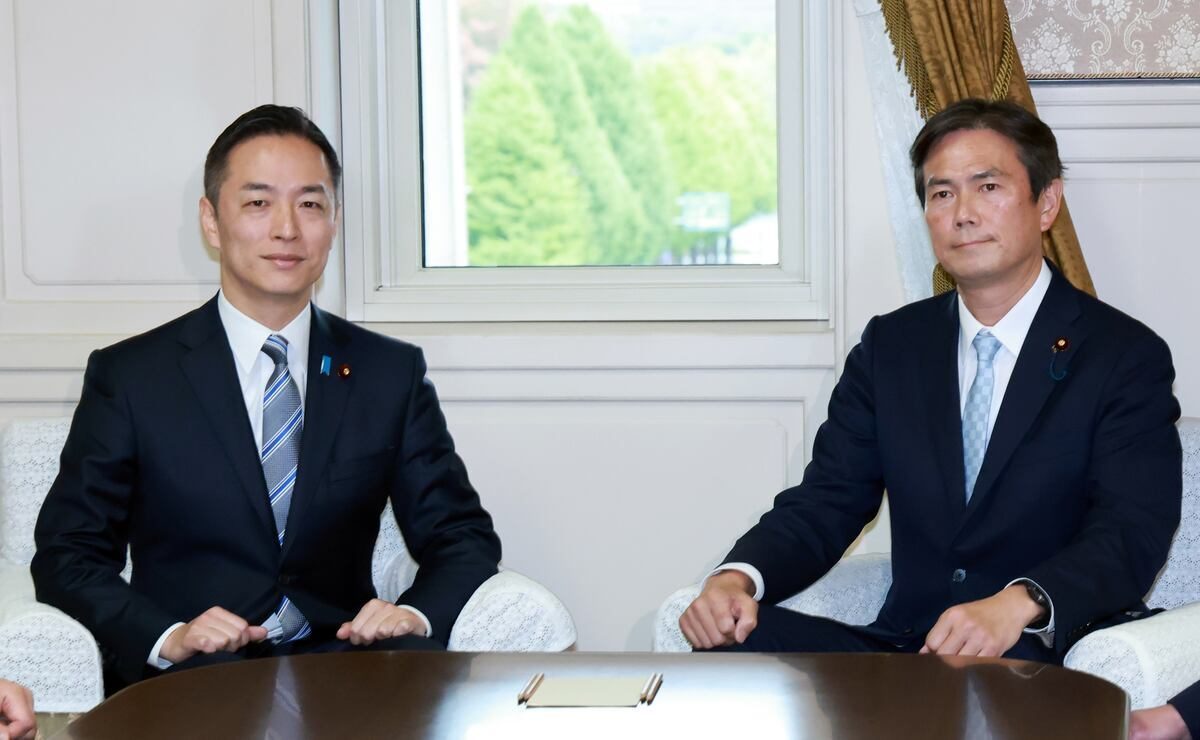
Ruling and opposition parties agreed on Nov 4 that Prime Minister Sanae Takaichi will attend a Lower House finance committee session on Nov 6 to answer questions on a bill to cut the consumption tax on food and drink, the Sankei Shimbun reported. The opposition had demanded the prime minister appear, and the ruling side accommodated it. The two sides could not agree on a committee vote that day or on fast-tracking the bill to a plenary session.
The bill would lower the consumption tax rate on food and drink from 8% to 1% for two years from next April. Hiroki Murai, the Liberal Democratic Party's Diet affairs chief, and Yuichi Goto, his counterpart for the Lower House joint caucus Chudo, met at the Diet on Nov 4 and agreed on the prime minister's attendance at the finance committee on Nov 6.
After the meeting, Goto welcomed the prime minister's appearance and said he wanted her to answer detailed points in her own words, including where the money for the cut would come from. He held back on the committee vote and fast-tracking that Murai proposed, saying the bill had been fully debated, including the time spent on it. He said he would decide after seeing the prime minister's answers on Nov 6.
Opposition parties remain opposed to the bill. Yuichiro Tamaki, leader of the Democratic Party for the People, said approval was impossible as things stand, and Takeshi Kai, secretary-general of the Democratic Reform Association, said he saw nothing in it to support.
The ruling coalition holds more than two-thirds of Lower House seats but falls short of a majority in the Upper House, so opposition cooperation is needed for the bill to pass. If the ruling side forces a vote in the finance committee on Nov 6 on the strength of its numbers, the opposition is certain to resist on the grounds that debate has been insufficient. That could affect the ruling side's aim of starting Upper House deliberations next week.
The Upper House voted at a plenary session on Nov 4 to set up a special committee on the consumption tax and support payment bills.