
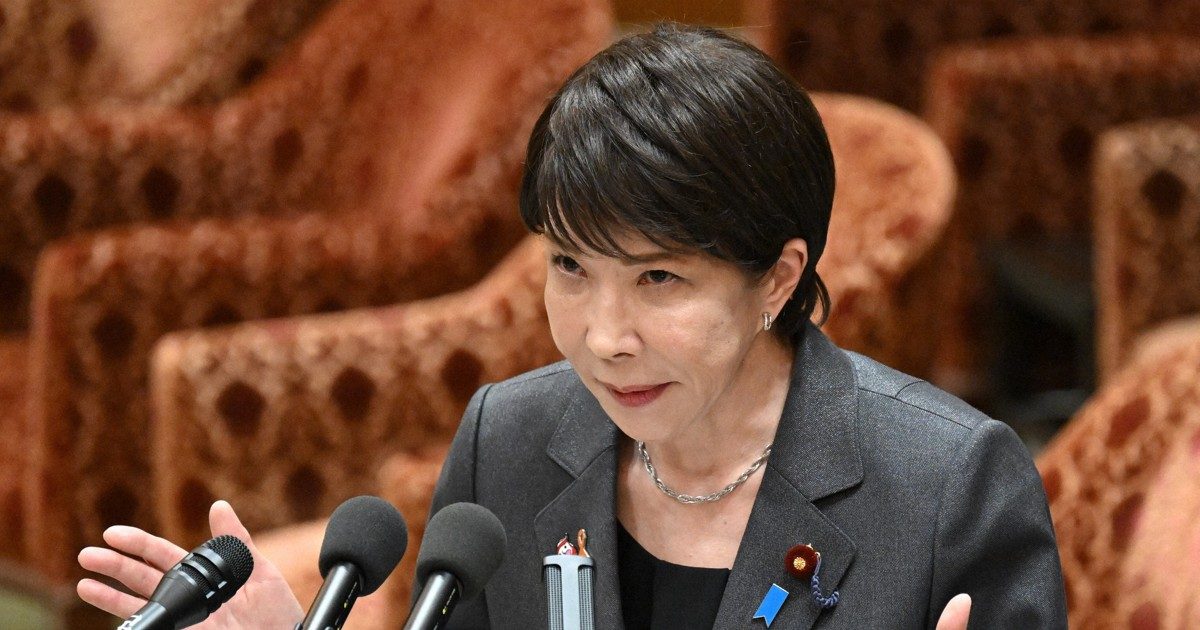
The consumption tax-cut bill passed the lower house on the 6th and now moves to the upper house, the main battleground, where the ruling coalition does not hold a majority. The coalition, which commands an overwhelming majority in the lower house, is four seats short of a majority in the upper house. It hopes to win passage with help from some opposition parties, but the upper-house opposition shares the experience of having united to force the resignation of farm minister Yana Kazuo over a budget-cut allegation.
"While sincerely listening to the views of each opposition party, we want to explore whether the ruling and opposition parties can move even a little closer together," Matsuyama Masaji, the Liberal Democratic Party's upper house caucus chairman, said at a news conference on the 5th about the upper house deliberations. He said the government side would also be asked for "sufficient explanations" as the coalition works to create conditions for "substantive deliberation."
A fight over which committee
The coalition of the LDP and Nippon Ishin no Kai has been working on the opposition since before upper house deliberations began. Over which committee should take up the bill, the coalition wanted the standing Committee on Financial Affairs, as in the lower house, but the opposition demanded a special committee where debate could focus on the consumption tax. The coalition gave way.
In exchange for accepting the special committee, the LDP took its chairmanship, giving the coalition control over the proceedings. The rest of the report is behind a paywall.