
A year has passed since Prime Minister Sanae Takaichi told a Lower House budget committee that a contingency involving Taiwan could amount to a survival-threatening situation — 存立危機事態 (sonritsu kiki jitai) — in which Japan could exercise the right of collective self-defense. Relations with China have stayed bad ever since, and no route back has appeared.
Beijing has kept up a hard line toward Takaichi's government. Lately it has also begun calling Japan an important economic and trade partner, a subtle shift in posture that suggests it is preparing for the standoff to last.
The practical aim appears to be to keep economic ties separate from political disputes and manage them on their own, according to the Mainichi Shimbun.
A vice premier's message to a visiting delegation
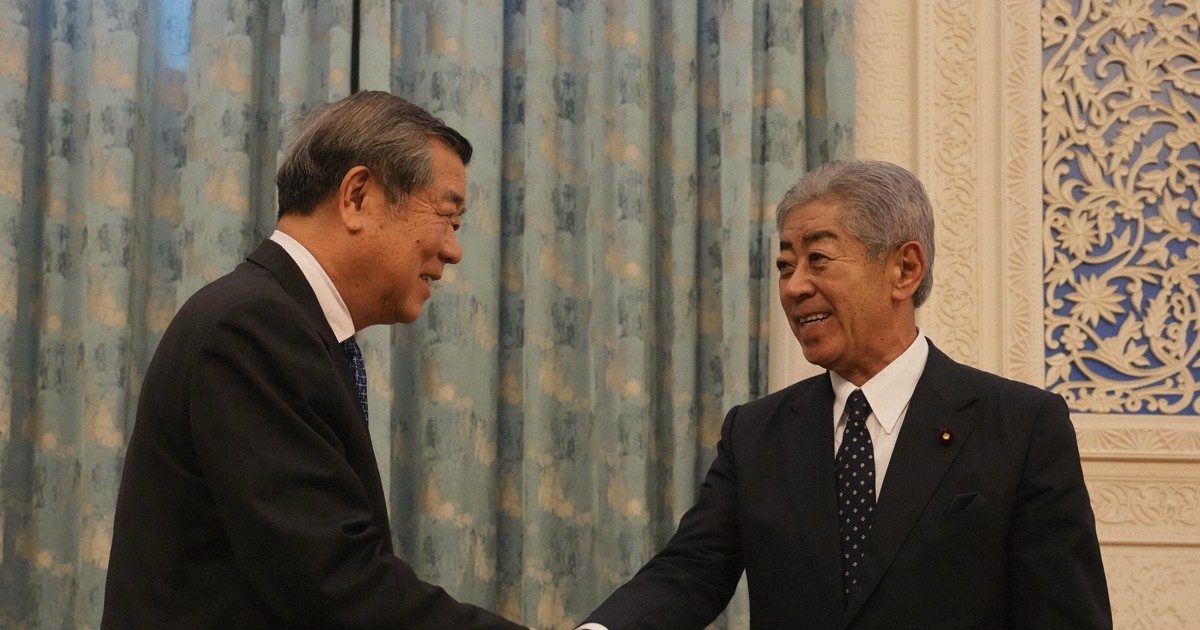
Vice Premier He Lifeng, who oversees China's economic policy, met former Foreign Minister Takeshi Iwaya in Beijing on September 29, Xinhua reported. Iwaya was visiting as chairman of the Japan International Trade Promotion Association, a private Japanese business group.
He Lifeng said China has consistently welcomed Japanese companies to invest in China and share in its opportunities, according to the state news agency.
“China and Japan are important economic and trade partners for each other.”He Lifeng, in remarks reported by Xinhua, Vice premier of China
Pressure alongside the courtship
Since Takaichi's answer, China has announced a series of economic measures against Japan. It has asked its citizens to refrain from travel to Japan and tightened export controls on dual-use goods, which can serve both military and civilian purposes, including rare earths.
At the same time it has demanded that Takaichi retract the remark, and more recently has pressed her to act using words such as "correct" and "overcome."