
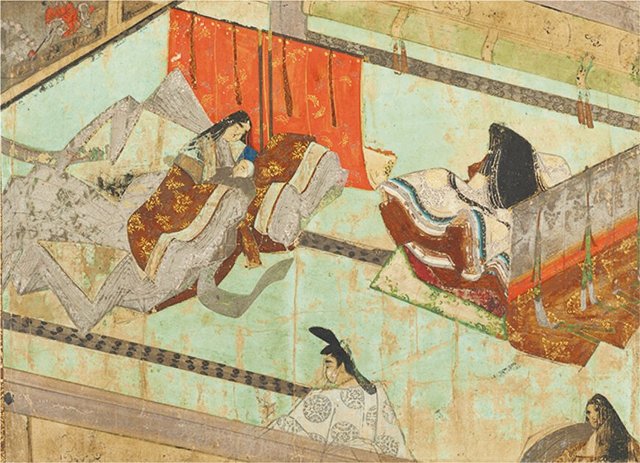
The exhibition traces how The Tale of Genji, written by Murasaki Shikibu in the Heian period, moved beyond the written word into painting, craft and popular culture. Hand-copied manuscripts of the text, annotated editions, and images of the story's scenes and motifs are brought together in one place. Among the highlights is the National Treasure Genji Monogatari Emaki, regarded as the oldest surviving Genji painting.
The Tokyo venue shows different scenes from the Kyoto venue, including "Kashiwagi III", "Takekawa II", "Azumaya I" and "Minori". A section devoted to ukiyo-e shows how the tale was taken up in Edo-period popular culture, with prints depicting its characters and episodes. Together the displays show how a courtly romance written a thousand years ago continued to shape Japanese art and remained familiar to later audiences.
The exhibition is a joint project of the national museums of Kyoto and Tokyo.