
Isao Nasu works with the moments when human consciousness switches. Some of those shifts are small everyday realisations or feelings of happiness; others are turns between positive and negative states, such as anger or despair. Drawn to that strangeness, he expresses in his paintings a regard for the meta — what is called the universe or the divine.
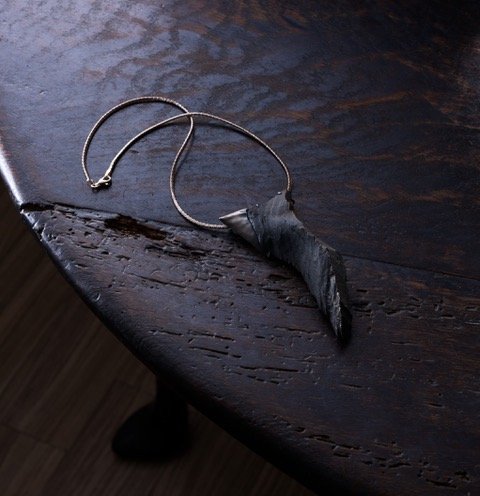
The roots of Japanese personal ornament lie in the Jomon period, with an origin different from the jewellery culture of modern fashion. Adornments symbolised by the magatama were worn as devices for accessing the natural world and a greater presence, and later came to be inscribed in people's consciousness as symbols of authority and power. There are various theories, but one of humanity's earliest cultural and symbolic acts was painting colour onto the body.
This exhibition sits within an ongoing exploration of what transformations of consciousness followed that act, and how it has been implemented into the activity of life.