
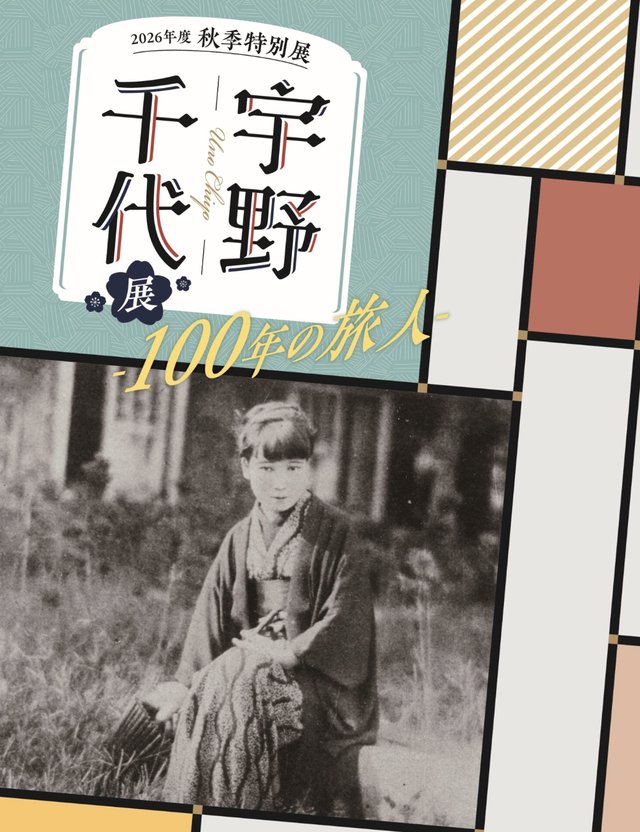
Chiyo Uno left behind the line "I somehow feel I won't die," and a book of that title appeared the year before she set off for the underworld at the age of 100. She kept writing energetically as a working author to the end, sometimes appearing in a large-sleeved kimono in a cherry-blossom pattern of her own design to talk to the media about her eventful and glittering succession of men. The image that comes to mind today — always positive, tough, active, a woman of many loves — may owe much to "Ikite Iku Watashi" (Living On), published in 1983, which became a million-seller.
That book and the rush of autobiographical and life-advice works that followed from the 1980s into the 1990s were loved as guides to finding pleasure in life even in adversity. Whether they led readers back to the true core of Uno as a novelist — "Irozange," "Ohan," "Ningyoshi Tenguya Kyukichi" and "Sasu" — is less certain. Some may have tired of an image that put an overly optimistic view of life and her femininity in the foreground.
This exhibition sets that late-life image aside for a while. In the Taisho era there must have been countless young people dreaming of becoming writers, and Uno was one of them. In an age when a woman was not seen as a full person unless she had a job, married and had children, Uno struggled within that pressure, made expression her work, and eventually created fashion and literary media that gave many people a place to express themselves.